Listing 9 Fruits reduce excess Cholesterol
Listing 9 Fruits reduce excess Cholesterol
Discover the scientific mechanisms behind 9 fruits that may lower LDL cholesterol. Natural secrets to clearing blood fat and protecting cardiovascular health.
Why Can Fruits "Sweep Away" LDL Cholesterol?
Before listing specific fruits that can "sweep away" excess LDL cholesterol, we need to clarify a key issue: How do these familiar everyday fruits affect blood lipid levels?
Cholesterol is an essential component for building cells and producing hormones. However, LDL (Low-Density Lipoprotein) – often called "bad LDL" – when in excess, accumulates in the walls of blood vessels. Natural fruits don't act like a drug that forcibly breaks down chemical bonds; instead, they establish a natural "defense and elimination system" through the following three core biological agents:
1. Soluble Fiber
A "biological broom" that collects fat.
Dietary fiber is divided into two types: insoluble and soluble. Soluble fiber – especially pectin (found abundantly in apples, pears, and citrus fruits) – is the "nemesis" of LDL cholesterol.
Mechanism of action: When we eat fruit, soluble fiber enters the stomach and small intestine, expands upon contact with water, and transforms into a thick, sticky gel. This gel acts as a biological trap, enveloping and binding to free cholesterol molecules from food and bile acids (a compound secreted by the liver, composed of endogenous cholesterol).
Positive consequence: Instead of being absorbed through the intestinal mucosa into the bloodstream, this gel containing cholesterol is pushed down to the colon and eliminated through the digestive tract. When bile acids are lost through feces, the liver is forced to "draw" up the LDL cholesterol floating in the blood to produce new bile acids to replace it. As a result, the overall LDL level in the blood naturally decreases.
2. Phytosterols
"The Imposters" competing for absorption sites
Phytosterols (or plant sterols) are natural compounds found in the cell membranes of plants, especially in fatty fruits like avocados and berries.
Mechanism of action: Chemically, phytosterols are almost identical to animal cholesterol. Due to this similarity, when entering the small intestine, phytosterols compete with cholesterol for binding sites on the absorption receptors of the intestinal mucosa (called micelle transport vesicles).
Positive consequence: Because the number of "empty seats" on transport vesicle cells in the intestine is limited, the presence of healthy phytosterol molecules will occupy the space and "kick" out the actual cholesterol molecules. As a result, the body absorbs less cholesterol from the intestine, indirectly reducing the amount of LDL entering the bloodstream.
3. Polyphenols
A "Shield" against blood vessel degradation
Many people mistakenly believe that the presence of LDL in the blood automatically leads to atherosclerosis. In reality, normal LDL molecules move quite harmlessly. They only become dangerous "monsters" when attacked by free radicals in the body – a process called LDL oxidation.
Mechanism of action: Fruits (especially berries and grapes) are a treasure trove of polyphenols and flavonoids – some of the most powerful antioxidants in nature. When they enter the bloodstream, these substances actively neutralize free radicals, protecting the structure of LDL molecules from degradation.
Positive consequence: When LDL is not oxidized, immune cells (macrophages) will not attack them to form "foam cells" – the main culprits in the formation of atherosclerotic plaques that adhere firmly to the vessel walls. Polyphenols both keep blood vessels flexible and elastic, preventing the formation of blood clots that can cause strokes or heart attacks.
In short: These three mechanisms work in a closed loop: Phytosterols block at the entry point, soluble fiber collects in the intestines, and polyphenols protect in the circulatory system. This is why maintaining a diet rich in plant-based foods and fresh fruits provides the most sustainable and safe cardiovascular protection.
Listing and analyzing 9 fruits
that can reduce excess LDL cholesterol.
1. Apples
"The champion" of soluble fiber, Pectin
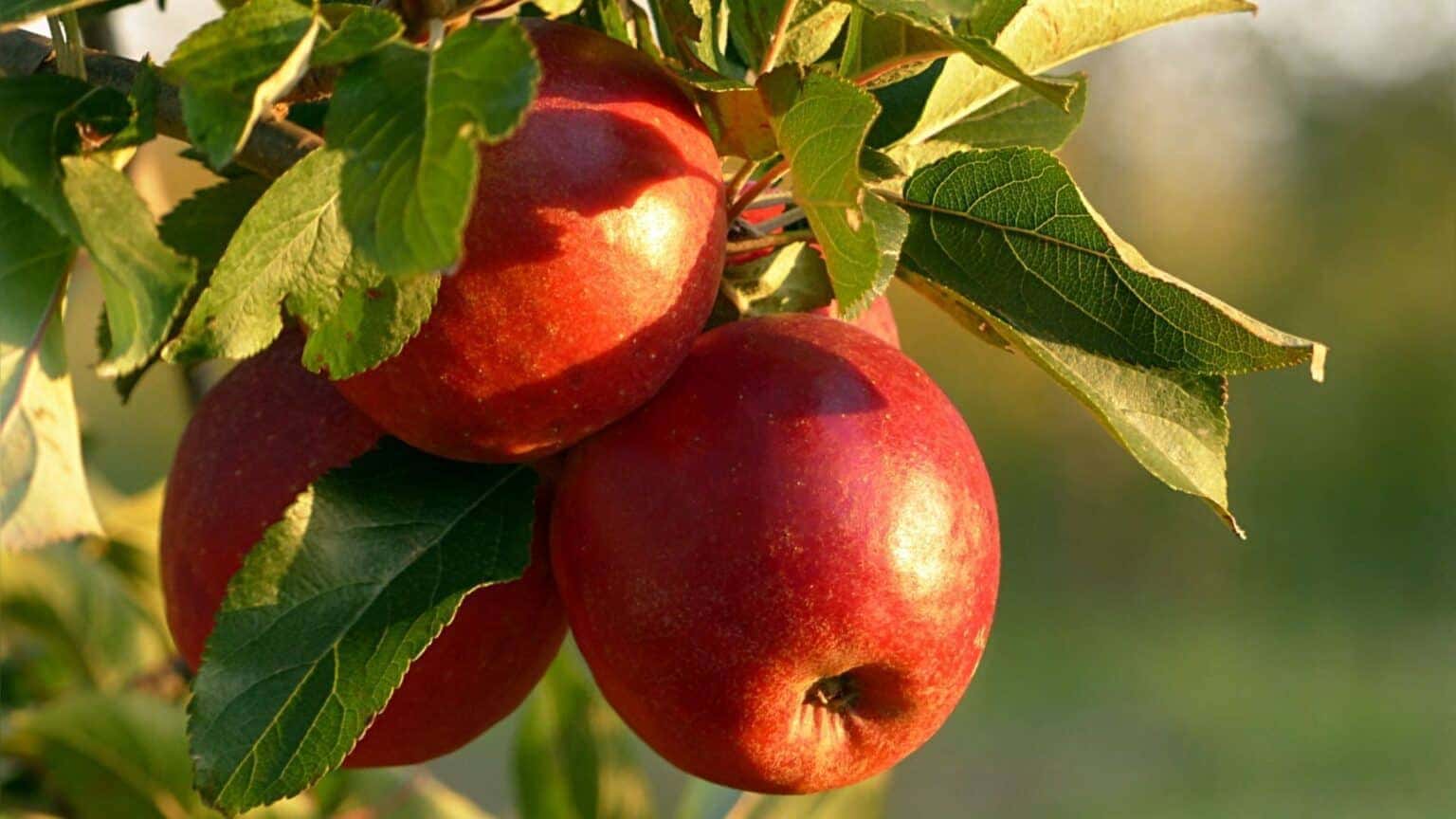
It's no coincidence that the Western proverb "An apple a day keeps the doctor away" is so famous. In the world of fruits, apples are considered a top "enemy" of high cholesterol thanks to their superior pectin and antioxidant content.
Main active ingredient: Apples are a rich source of pectin – a soluble fiber that can form a strong gel to "trap" cholesterol in the intestines. In addition, apples contain catechin, a type of polyphenol (antioxidant) known for protecting blood vessels. Notably, both pectin and catechin are most concentrated in the peel.
Scientific perspective: To demonstrate the "fat-burning" power of apples, scientists at the University of Reading (UK), in collaboration with the Fondazione Edmund Mach Institute (Italy), conducted a clinical trial. Results published in the American Journal of Clinical Nutrition (AJCN) showed that people with mildly elevated cholesterol who ate two apples daily for eight consecutive weeks reduced their total cholesterol and LDL levels by up to 4%. Simultaneously, their blood vessels also showed improved elasticity and flexibility.
Advice: To fully absorb this nutritional "treasure," we encourage readers to maintain the habit of eating apples with the peel on. Nearly half of the fiber and most of the polyphenol antioxidants are found in this thin layer of peel. Of course, choose safe apples and thoroughly wash them with salt water or ozone water before eating. Furthermore, eating the whole fruit directly is always much more effective at reducing LDL than juicing it, because the juicing process removes almost all of the pectin fiber.
2. Stone Fruits
"Locking down" the cholesterol production factory in the liver
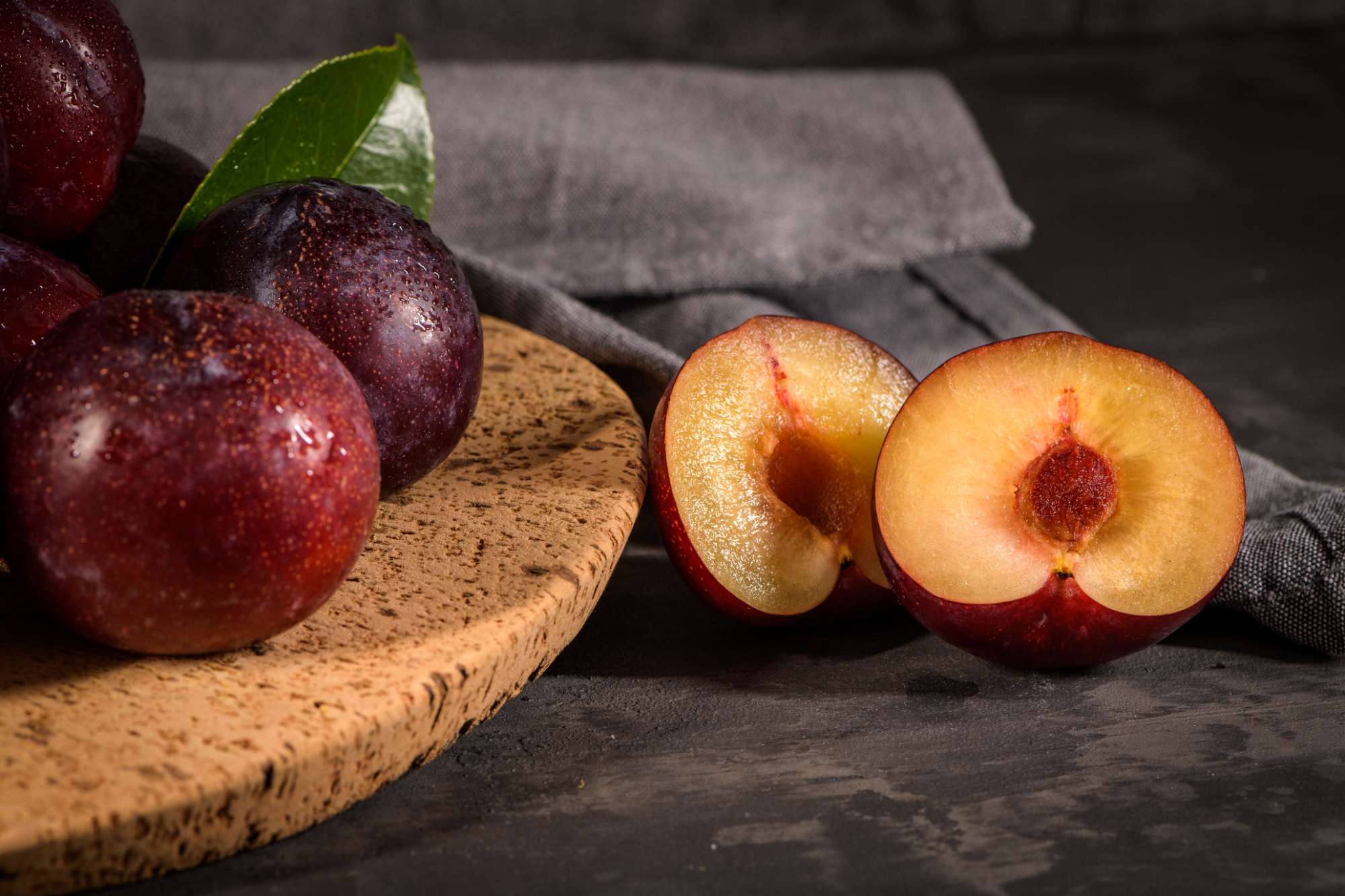
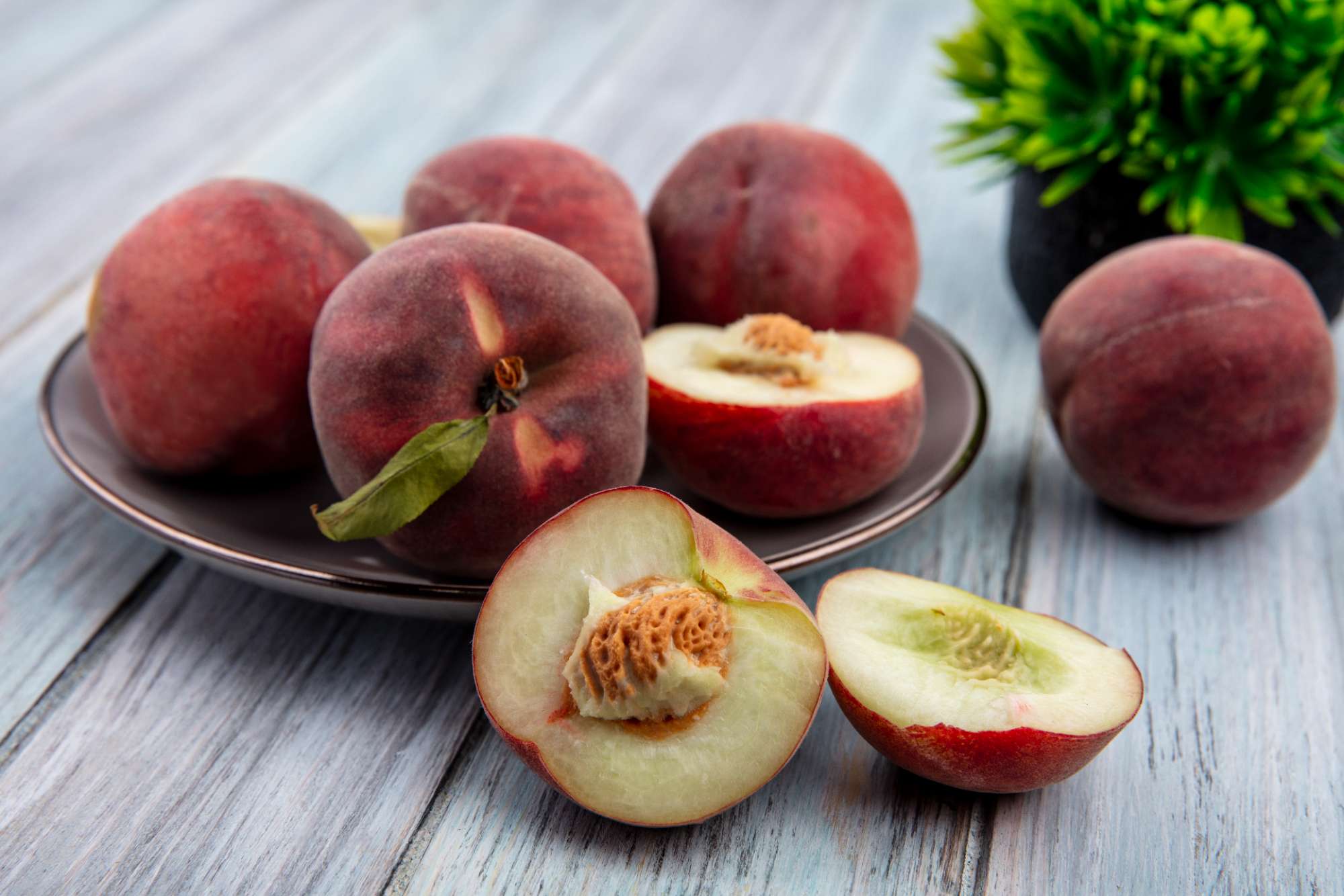
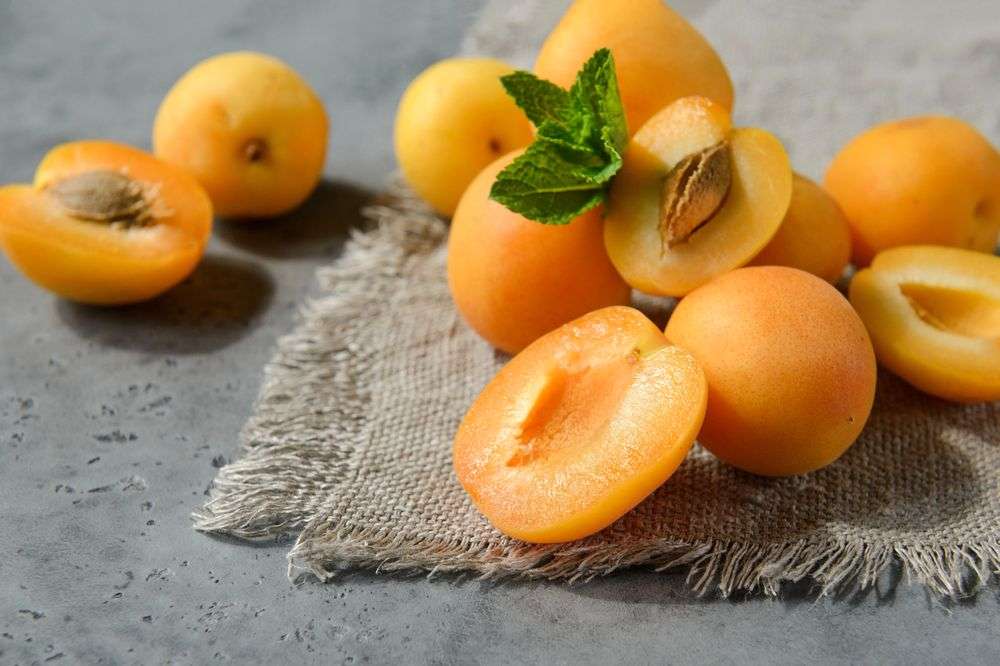
Stone fruits are a general term for a group of fruits with juicy flesh surrounding a hard seed (nut) in the center, typically peaches, plums, and apricots. Not only do they offer a refreshing taste, but this group of fruits also possesses a special biological ability: directly impacting the source of cholesterol in the body – the liver.
Main active ingredients: This group of fruits contains a balanced and perfect combination of soluble fiber, which helps prevent fat absorption in the intestines, and unique phenolic compounds, especially chlorogenic acid and anthocyanins. These phenolic compounds act as intelligent chemical signals within the body.
Scientific perspective: While apples primarily "intercept" cholesterol in the intestines, the antioxidants in plums, peaches, and apricots penetrate deep into the bloodstream and affect the liver – the organ responsible for producing about 80% of the body's cholesterol. Biological studies show that phenolic compounds in these stone fruits can mildly inhibit fat-synthesizing enzymes in the liver, thereby reducing the secretion and release of LDL cholesterol into the blood. Simultaneously, they demonstrate the ability to suppress inflammatory reactions in blood vessel walls, preventing damage to the vessel lining – a crucial factor that makes LDL more prone to plaque buildup.
Advice: Eat seasonal fruits and diversify your diet with these types of fruit. Plums (especially the late-season or black plum varieties) are a top choice due to their extremely high polyphenol content. As for dried apricots or prunes, although their concentrated fiber content is very good for the digestive and cardiovascular systems, their sugar content also increases proportionally. Therefore, those with metabolic syndrome or diabetes should prioritize eating fresh fruit instead of dried fruit to better control their blood sugar levels.
3. Mangoes
The pipid-pegulating power of the "puper-pctive" pangiferin
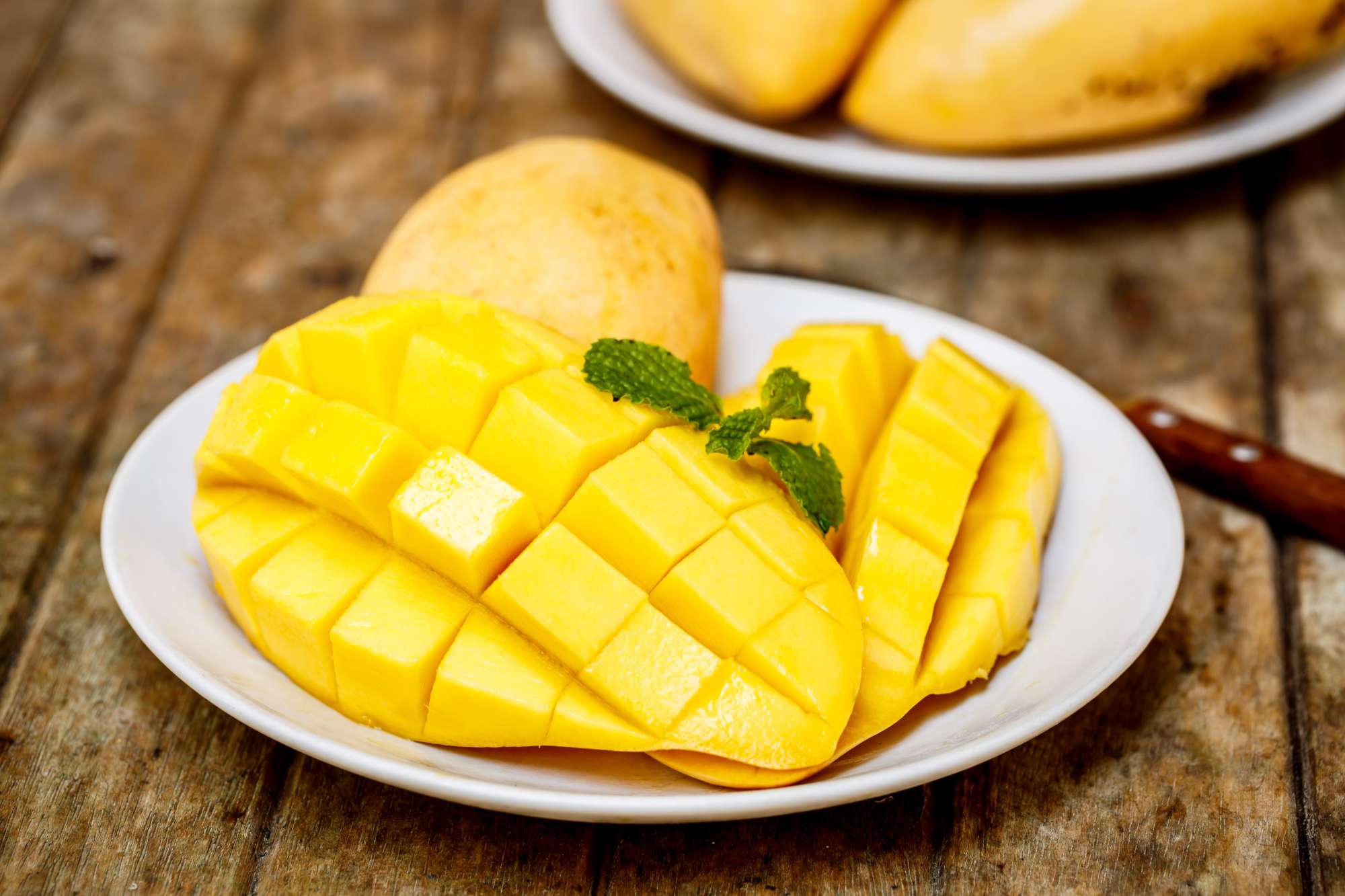
Dubbed the "king of fruits" in many tropical countries, mangoes are not only appealing for their delicious taste but also a powerful natural remedy for the cardiovascular system. The blood fat-lowering power of mangoes comes from a characteristic antioxidant compound that gives it its name.
Main active ingredient: Besides its abundant fiber, mangoes are one of the rare natural sources of Mangiferin, a polyphenol with extremely high biological activity. In addition, mangoes possess a superior amount of Vitamin C, meeting a large portion of the body's daily needs in just one serving.
Scientific perspective: The combination of Vitamin C and Mangiferin creates a double attack on bad cholesterol. In the first attack, Vitamin C acts as a "guardian" in the circulatory system, actively preventing free radicals from attacking and oxidizing LDL molecules (as analyzed in the general mechanism section). In the second attack, modern pharmacological studies show that Mangiferin is deeply involved in regulating lipid (fat) metabolism. It activates signaling pathways that enhance fatty acid burning, increase insulin sensitivity, and help the liver more effectively remove excess fats from the blood.
Note: Although mangoes have great benefits for cardiovascular health, they are a fruit with a medium to high glycemic index and contain a significant amount of carbohydrates. To protect your cardiovascular health without inadvertently raising blood sugar, the key advice is to control your portion sizes. It is recommended to consume only about half a medium-sized mango (equivalent to about 100-150g of mango flesh) at a time. Additionally, it's best to eat mangoes that are just ripe rather than overripe, and absolutely avoid dried mango products that contain added sugar.
4. Citrus Fruits
Lowering blood pressure and inhibiting fat-creating enzymes
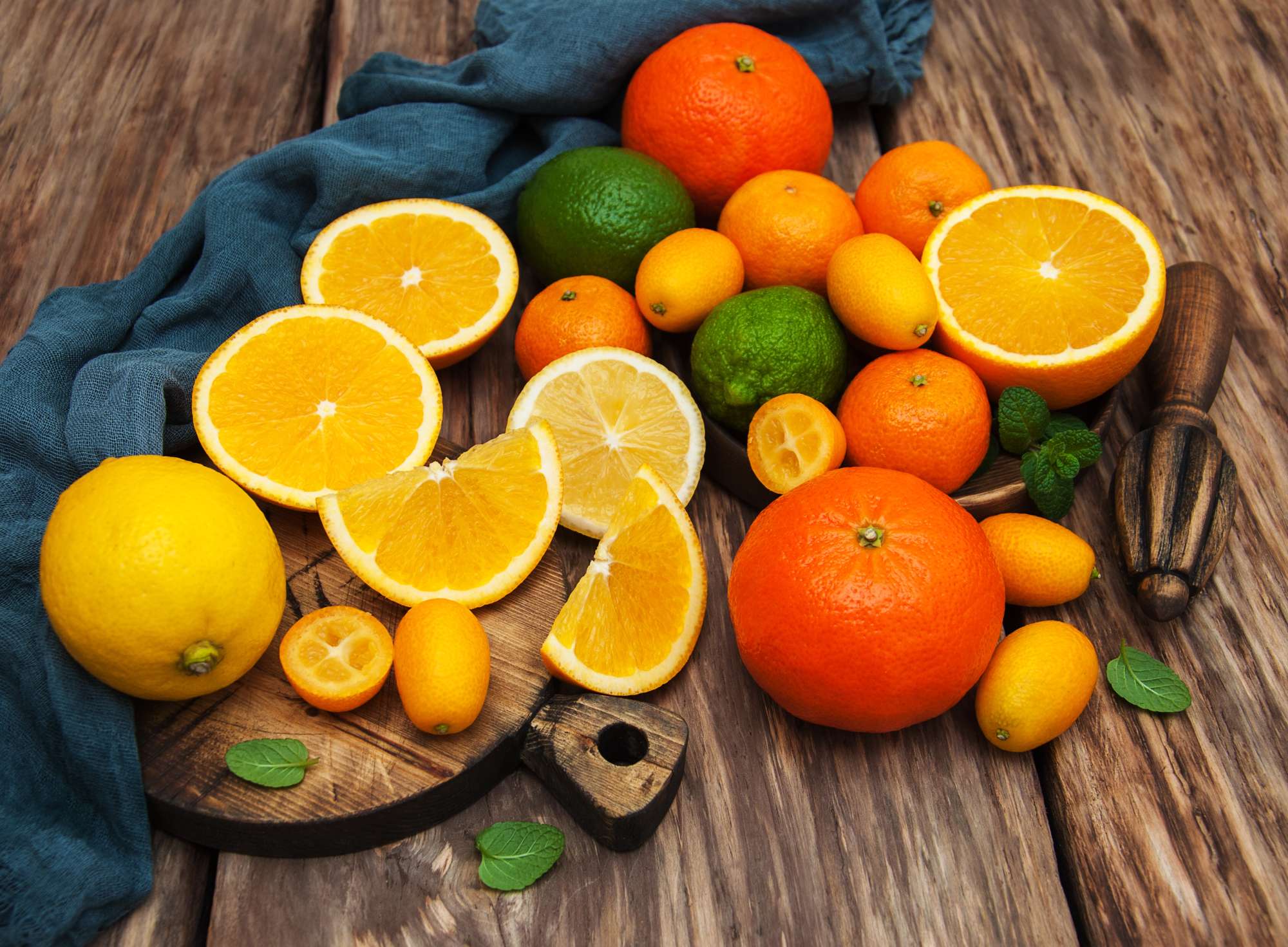
Citrus fruits like oranges, grapefruits, lemons, and tangerines have long been symbols of freshness and energy. For those battling high blood lipid levels, this group of fruits offers a dual solution: lowering cholesterol and protecting the elasticity of large blood vessels.
Main active ingredient: The white membrane of citrus fruits is a rich source of soluble fiber, pectin. More importantly, the fruit pulp and juice contain a large amount of hesperidin – a flavonoid (antioxidant) with extremely strong biological activity for the circulatory system.
Scientific perspective: Hesperidin offers a dual benefit for the cardiovascular system. First, it promotes the body's production of nitric oxide (NO), which helps dilate blood vessels, thereby naturally supporting blood pressure reduction. Secondly, in-depth studies indicate that Hesperidin can act on the liver to inhibit the HMG-CoA reductase enzyme, which is responsible for activating the production of endogenous cholesterol. By blocking this enzyme, the amount of LDL cholesterol produced in the liver and released into the bloodstream is significantly reduced.
Advice: To maximize the benefits of pectin, when eating oranges or tangerines, you shouldn't completely peel off the white fibrous membranes on the segments, as this is where most of the fiber is concentrated. Also, prioritize eating the fruit directly rather than just drinking the juice to avoid increasing your sugar intake at once.
SPECIAL NOTE:
DANGEROUS DRUG INTERACTIONS
If you or a loved one is taking statin-based cholesterol-lowering medications (such as Atorvastatin, Simvastatin, Lovastatin...), be especially cautious with grapefruit (especially grapefruit).
Reason: Grapefruit contains compounds called furanocoumarins. These compounds inactivate the CYP3A4 enzyme in the small intestine—an enzyme responsible for breaking down and eliminating statin drugs.
Consequence: When this enzyme is blocked, the amount of statin drugs absorbed into the bloodstream skyrockets to many times the safe dose, easily leading to dangerous side effects such as liver toxicity, kidney damage, or rhabdomyolysis (destruction of muscle cells).
Recommendation: Always consult your doctor before including grapefruit in your daily diet if you are undergoing treatment for high cholesterol with medication.
5. Kiwi
The "all-powerful assistant" for improving blood lipid levels
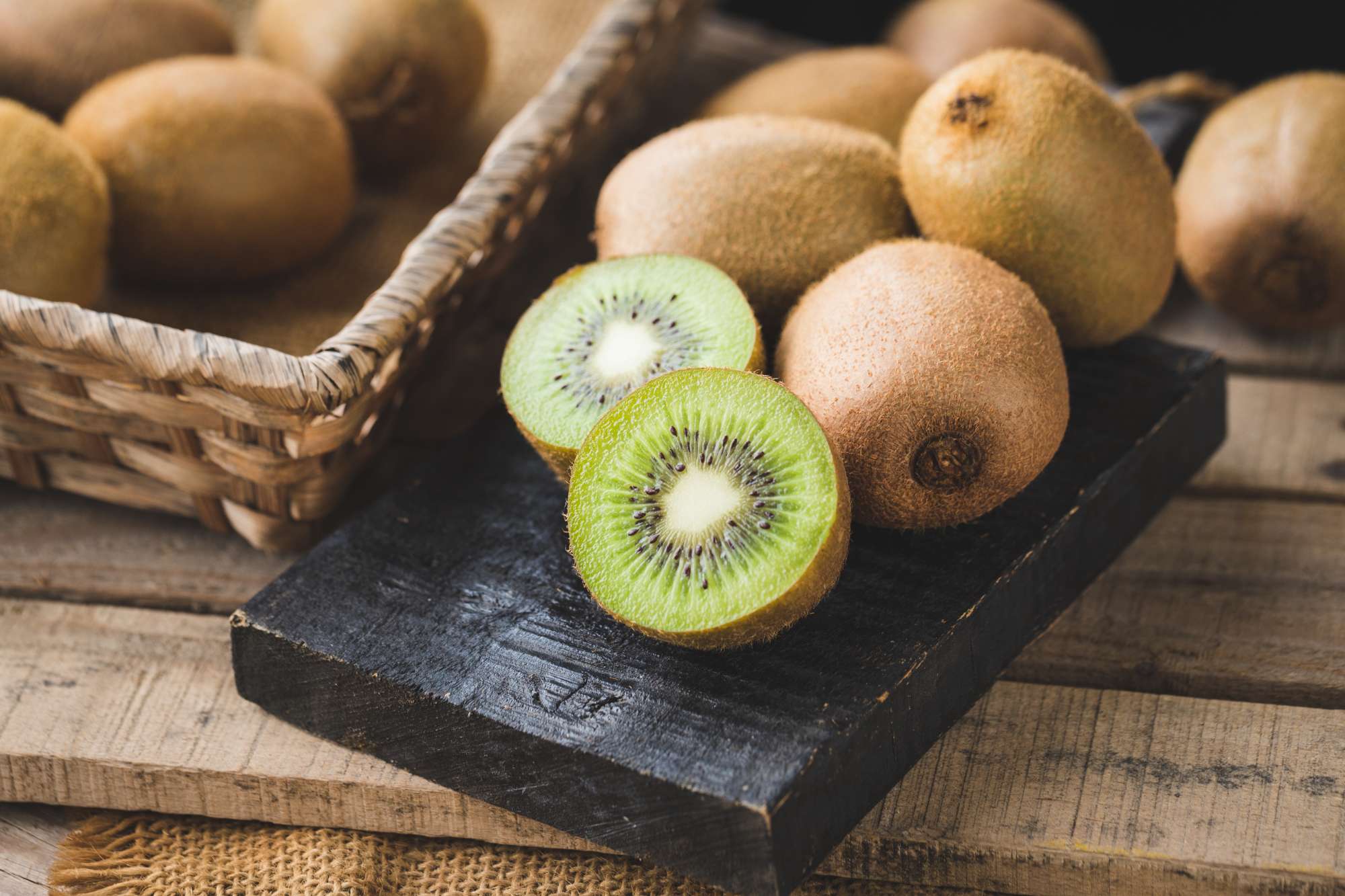
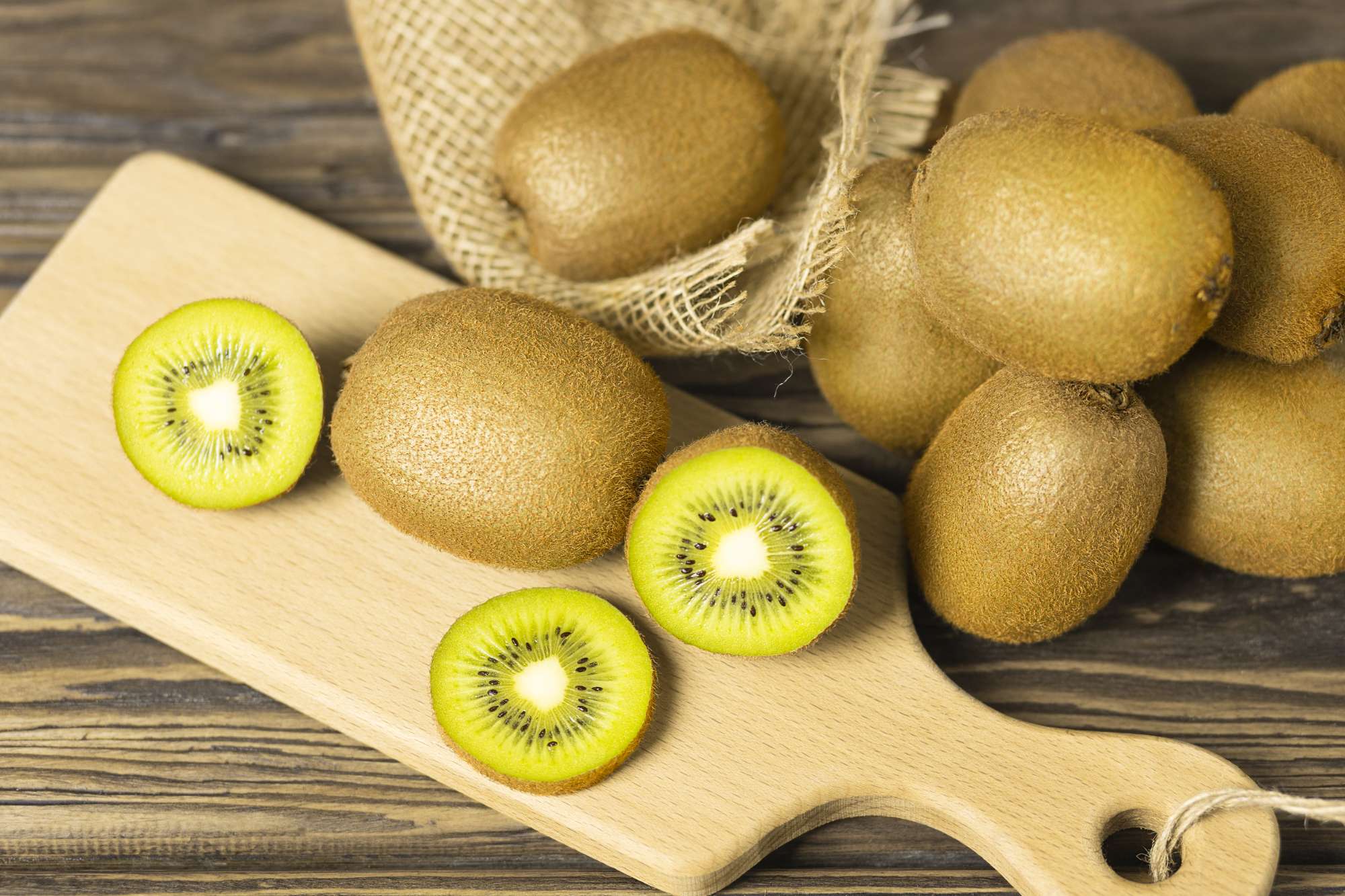
While most fruits focus on lowering LDL levels, kiwi emerges as a "conductor" capable of restoring balance to your entire blood lipid profile. Small but mighty, this fruit offers incredibly comprehensive positive effects on the circulatory system.
Main active Iingredients: Kiwi is a combination of a heart-protective nutritional matrix including exceptional soluble fiber, exceptionally high levels of Vitamin C (twice that of oranges), Vitamin E (a fat-soluble antioxidant rarely found in fruits), and the mineral potassium.
Scientific perspective: Clinical trials have shown that kiwis not only "cleanse" excess LDL cholesterol thanks to their fiber content, but the more remarkable thing is that eating kiwis regularly (about 2 per day) can slightly increase High-Density Lipoprotein (HDL) levels – often called "good cholesterol," the protein responsible for collecting excess fat from blood vessel tissues and transporting it to the liver for processing. Simultaneously, powerful antioxidants like Vitamins C and E work together to reduce triglyceride (neutral fat) levels in the blood by up to 15%. This simultaneous decrease in LDL and triglycerides, along with an increase in HDL, helps reduce blood viscosity, improves blood flow, and significantly reduces the risk of dangerous blood clots.
Advice: To retain all the digestive enzymes and heat-sensitive vitamins (such as Vitamin C), you should eat fresh kiwis directly, cut them in half, and scoop out the flesh with a spoon. Here's a tip for those looking to maximize their fiber intake: Like apples, kiwi peels are actually perfectly edible after being scrubbed clean of the fuzz and thoroughly rinsed. Kiwi peels contain three times the concentration of fiber and antioxidants compared to the flesh of the fruit!
6. Pears
A Superior source of fiber than apples
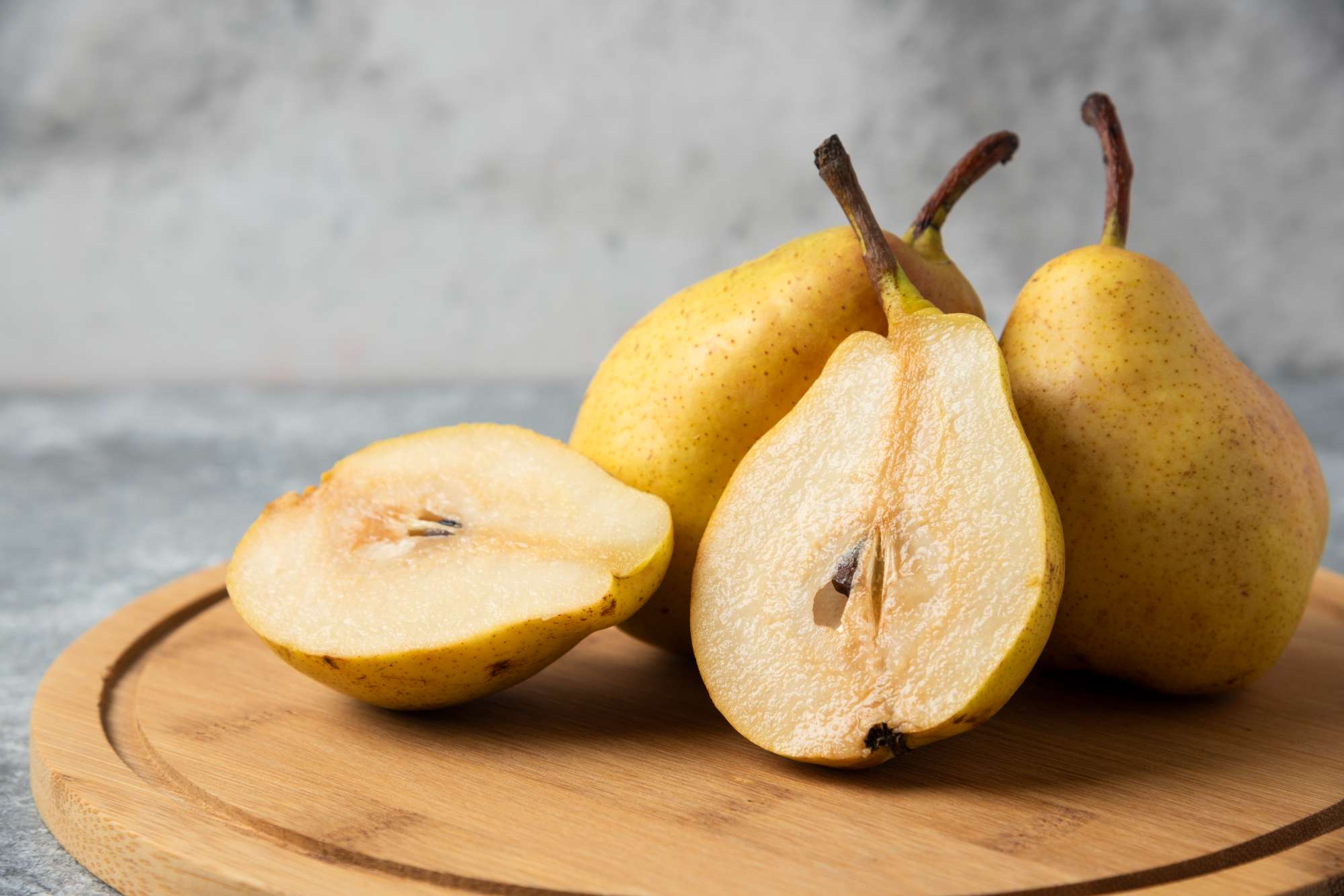
While apples are often lauded as the "champion" of pectin, there's a surprising medical fact: Pears actually possess a higher overall fiber and pectin content than apples. This is a readily available "secret weapon" for controlling blood lipid levels.
Main active ingredient: The biggest highlight of pears lies in their high fiber density. A single medium-sized pear provides approximately 5.5g of fiber—an impressive figure surpassing even apples (which only contain about 4.4g). The majority of this is pectin, a soluble fiber with superior water-retention and gelling properties.
Scientific perspective: When ingested, the abundant pectin in pears acts precisely like a new generation "biological broom." In the small intestine, the gel from pears actively forms a net to surround and isolate free cholesterol molecules from food and endogenous bile acids. This "broom" continuously sweeps them down to the large intestine for elimination through the digestive tract. By effectively preventing cholesterol from penetrating the intestinal mucosa, pears help block the supply of bad fats right at the entry point, preventing them from entering the circulatory system to form Low-Density Lipoprotein (LDL) cholesterol.
Advice: Like apples, most of the pectin and flavonoid antioxidants in pears are concentrated in the outer peel and the flesh near the peel. Therefore, the core advice for readers is to eat the pear peel after thoroughly washing it. Additionally, the pear flesh contains tiny particles (called stone cells), which are insoluble fiber that is very good for bowel movements. Therefore, chewing fresh pears thoroughly is always recommended by nutritionists as a better option than juicing them.
7. Berries
Anthocyanin, the "shield," freezes the process of atherosclerosis
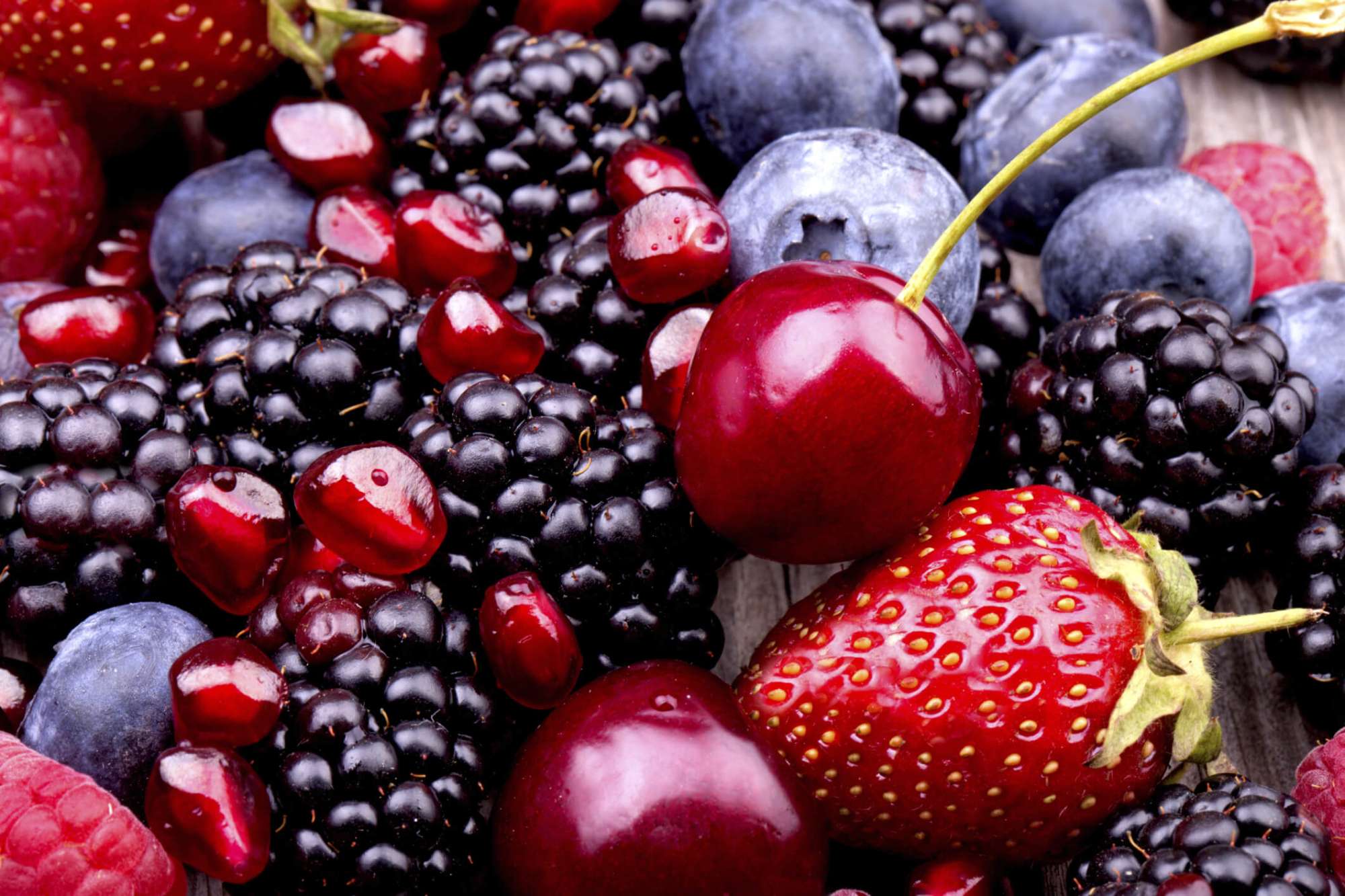
Strawberries, blueberries, raspberries, mulberries... the berry group, though small in size, are the most powerful antioxidant "factories" in nature. While other fruits focus on detoxification, berries act as a protective force, comprehensively safeguarding the blood vessels.
Main active ingredient: The power of berries lies in anthocyanin – a characteristic polyphenol that creates the vibrant colors from red, purple to dark blue of this group of fruits. This is an antioxidant with extremely high biological activity, combined with abundant Vitamin C and soluble fiber.
Scientific perspective: Low-Density Lipoprotein (LDL) cholesterol molecules, when floating in the blood, are not immediately dangerous. However, when attacked by free radicals, they are denatured into oxidized LDL – an extremely toxic, mutated form of fat that is easily engulfed by immune cells and transformed into "foam cells," taking root and forming stubborn atherosclerotic plaques that narrow the blood vessels. At this point, anthocyanins in berries act as a strong "shield," actively neutralizing free radicals and keeping LDL molecules in a stable, benign state, preventing them from transforming into atherosclerotic plaques that adhere to the vessel walls. Numerous clinical trials have demonstrated that eating berries daily significantly reduces signs of cardiovascular inflammation and remarkably lowers the level of oxidized LDL in the blood.
Advice: A great advantage of berries is that they are very low in sugar and extremely rich in fiber, making them suitable for those with diabetes or who are overweight. You should eat a variety of different berries (mixed berries) to ensure your body receives the widest range of anthocyanin molecules. When preparing them, prioritize eating them fresh, mixing them with plain yogurt, or blending them into whole fruit smoothies. Avoid cooking berries at high temperatures, as heat will destroy the structure of these sensitive anthocyanins.
8. Grapes
The power of resveratrol keeps blood vessels smooth
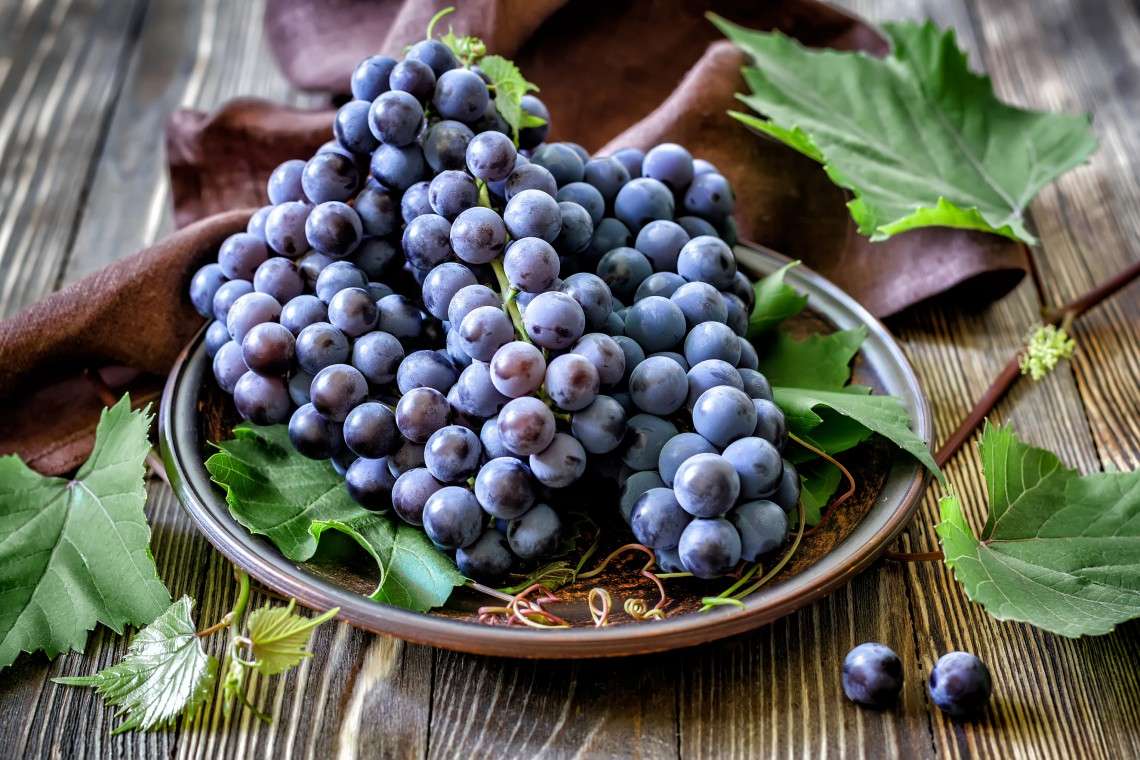
For grapes, the most valuable active ingredient is resveratrol. The key point to highlight here is that resveratrol helps care for the "endothelium" (the inner lining of blood vessels), making the vessel walls smooth so that low-density lipoprotein (LDL) cholesterol has nowhere to stick.
For decades, scientists have been struggling to find an answer to the "French paradox"—why the French eat so much saturated fat but have an extremely low rate of cardiovascular disease. The answer was finally found in their unique wine-drinking habits, or more precisely, thanks to a super-active ingredient found in grapes.
Main active ingredient: The brightest star in grapes is resveratrol, a natural polyphenol belonging to the phytoalexin group. Importantly, Resveratrol is not evenly distributed but is concentrated in the skin and seeds of dark-colored grapes such as red, purple, or black grapes.
Scientific perspective: Resveratrol is recognized by modern medicine as a "gold standard" for the circulatory system due to its ability to protect the endothelium (the thin layer of cells lining the inside of arteries). When the body absorbs Resveratrol, it stimulates the production of endogenous nitric oxide, keeping blood vessels flexible and supple. Specifically, it makes the surface of the blood vessel lining extremely smooth, reducing the ability of Low-Density Lipoprotein (LDL) cholesterol molecules to adhere. Unable to find a "foundation" to accumulate and penetrate the vessel wall, these adherent LDL molecules are safely carried away by the bloodstream and continue their metabolic journey, preventing the formation of dangerous atherosclerotic plaques at their root.
Advice: Since resveratrol is most concentrated in the skin and seeds, peeling grapes before eating them inadvertently removes up to 80% of their cardiovascular health benefits. Therefore, you should eat grapes with the skin on (after rinsing them thoroughly under running water). Additionally, grapes contain easily absorbed natural sugars (glucose and fructose), so the ideal recommended intake for an adult is about one small cup (approximately 15-20 medium grapes) per day to optimize cardiovascular health and maintain stable blood sugar levels.
9. Avocados
Using "good fats" to conquer "bad fats"
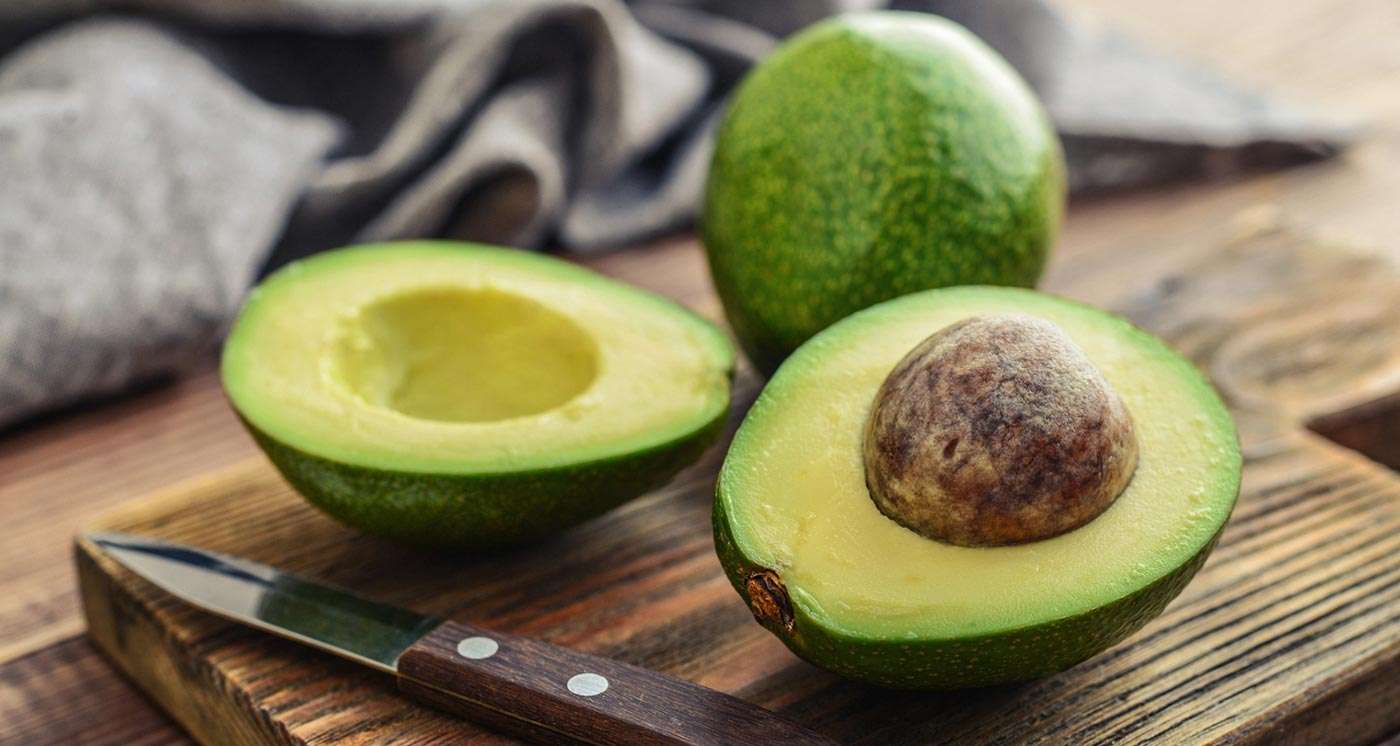
In the plant world, avocados are a completely different name. While most fruits are primarily composed of carbohydrates (natural sugars), avocados contain a large proportion of fat. However, this is not a danger; on the contrary, it is a groundbreaking medical solution for people with high blood lipid levels.
Main active ingredient: Avocados are a rich source of monounsaturated fatty acids (MUFAs), specifically oleic acid (a healthy fat similar to that found in olive oil). In addition, avocados lead in phytosterol content – plant compounds with a "twin" structure that competes with cholesterol for absorption sites in the intestines.
Scientific perspective: This is considered the most special fruit with the most unique mechanism of action on the list. A large-scale study published in the Journal of the American Heart Association (JAHA) concluded definitively: Replacing harmful saturated fats with one avocado a day as part of a strict diet significantly reduces low-density lipoprotein (LDL) cholesterol in the blood. The remarkable thing is that this LDL reduction is completely selective; it only eliminates bad fat without decreasing high-density lipoprotein (HDL – good cholesterol). Conversely, the multifat (MUFA) in avocados supports the nourishment and stability of HDL molecules in the bloodstream.
Advice: Because avocados are a relatively high-energy-density fruit due to their high fat content (an average avocado contains about 200-250 calories), the key here isn't to add more avocados to your existing diet, but to "replace" them. You should use avocado to replace other sources of animal or saturated fats in your daily diet, such as margarine, cheese, animal fat, or mayonnaise in salads and sandwiches. When preparing avocados, eating them raw or blending them with unsweetened fresh milk is the best way to preserve these valuable phytosterols.
CONCLUSION
Looking back at the list of 9 fruits above, we can see a fascinating medical picture. Nature has cleverly embedded "medicines" that lower blood fat levels into each segment of orange, slice of apple, or creamy avocado. From the "biological broom" Pectin that blocks bad fat at the entrance to the intestines, the active ingredient Resveratrol that lubricates blood vessel walls, to the "guardian" Anthocyanin that prevents fat from oxidizing into atherosclerotic plaques. All work together in a closed cycle to protect your circulatory system.
However, we want to emphasize that: No single "superfruit" can salvage an unhealthy diet and lifestyle. Fresh fruit is an excellent support tool, but it needs to be part of a healthy lifestyle (a plant-based diet), limiting trans fats, and combined with at least 150 minutes of regular physical activity per week.
Start making changes today with the smallest actions: add a few berries to your morning oatmeal, replace mayonnaise with a few slices of fresh avocado, or simply bring an apple for your afternoon snack at the office. Let food be your medicine, and let the journey to cleansing your bloodstream happen naturally, gently, and sustainably.
Compiled and written by Crocus Media
Products
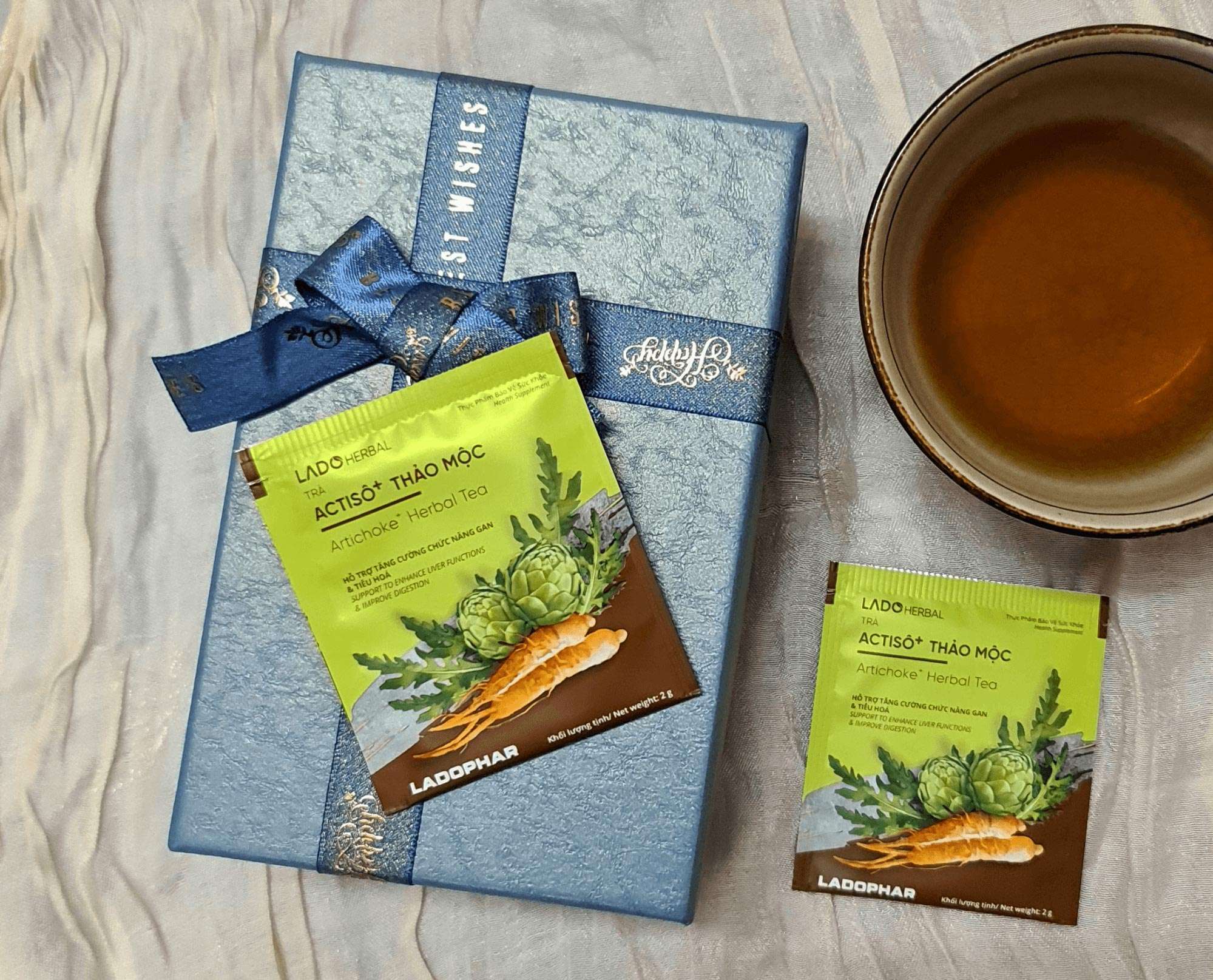
Artichoke Ginseng tea
Artichoke Ginseng tea with simple but urgent benefits, helping to Eat Well and Sleep Well. The benefits are due to the combination of artichokes, liver tonic, Thao Quyet Minh enhances digestion, helps sedation while Party Ginseng nourishes the body, creates red blood cells for blood circulation.
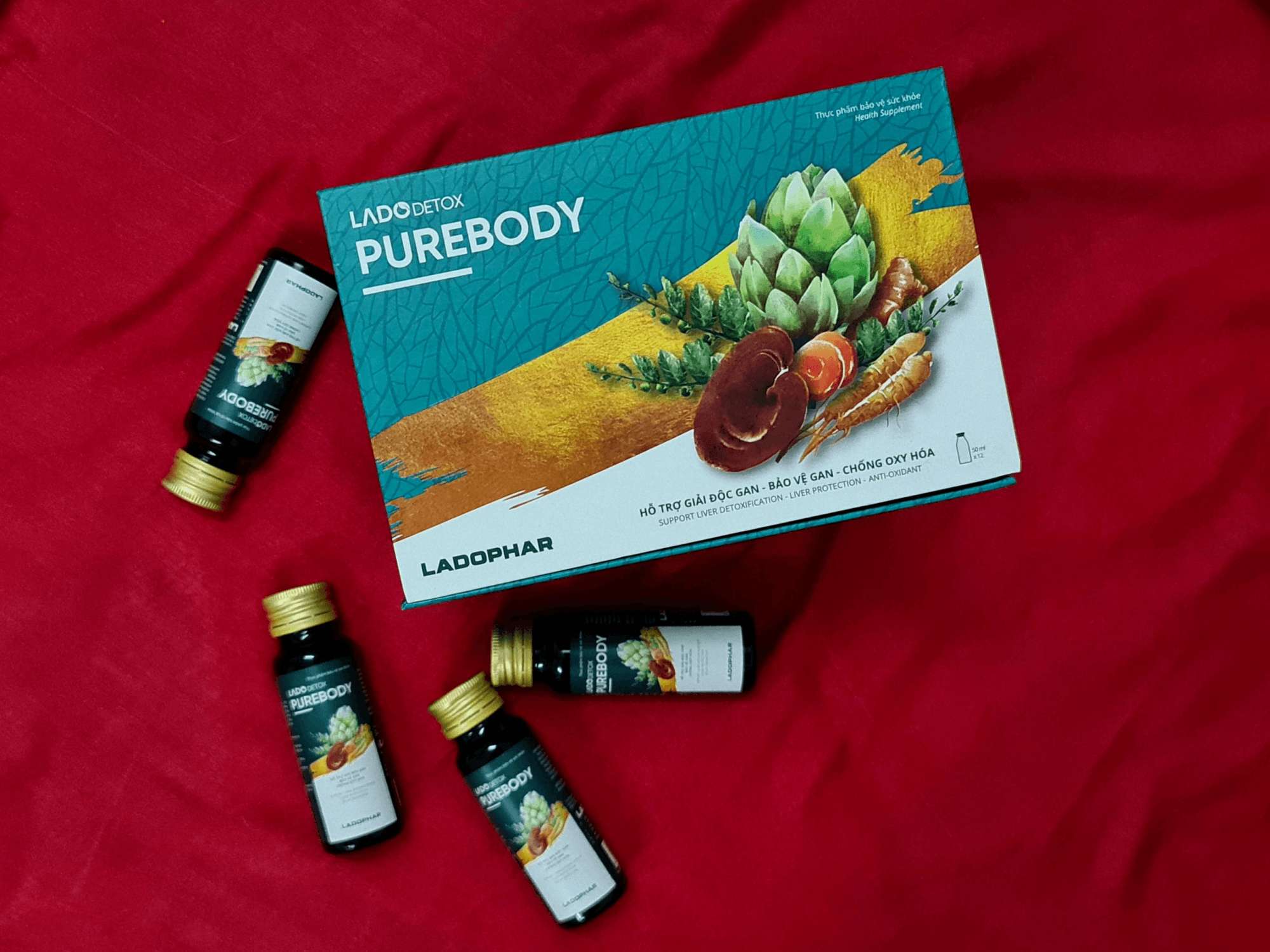
Lado Detox Purebody
Perceived as the breakthrough and comprehensive detox solution, coming from the essence of five precious herbs for health are Artichoke, Phyllanthus urinaria, Lingzhi, Codonopsis javanica and Curcumin help to effectively eliminate toxins and at the same time nurtures body healthy remain youthful.
Related articles

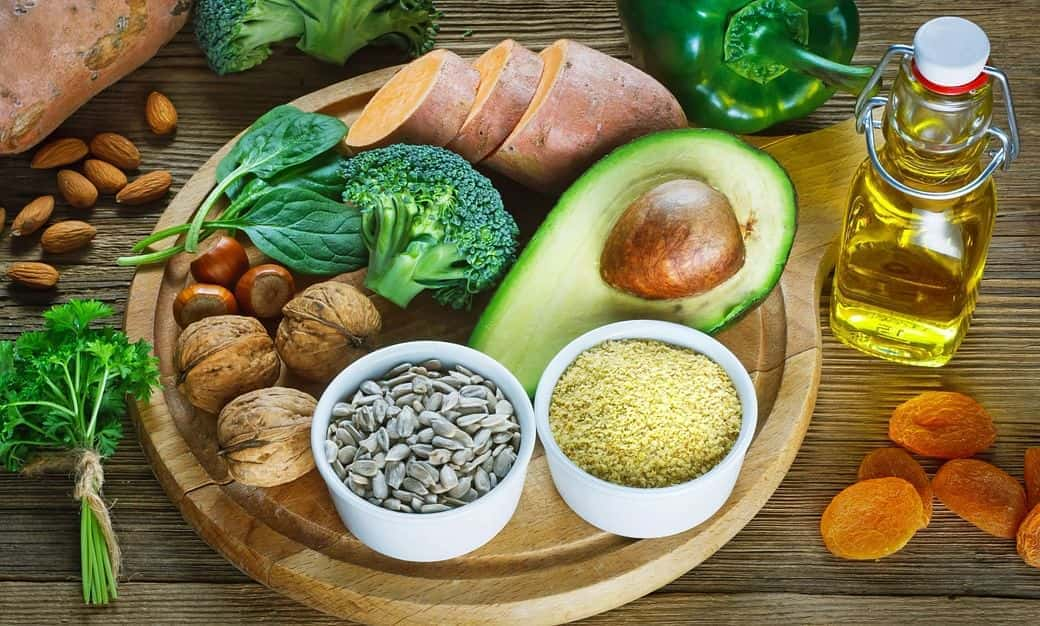
Soluble fiber can reduce cholesterol absorption
Its mechanisms include binding to and removing bile acids, forcing the liver to use blood cholesterol to create new bile acids; slowing down the absorption of cholesterol directly; and producing short-chain fatty acids (SCFAs) that inhibit cholesterol production in the liver.
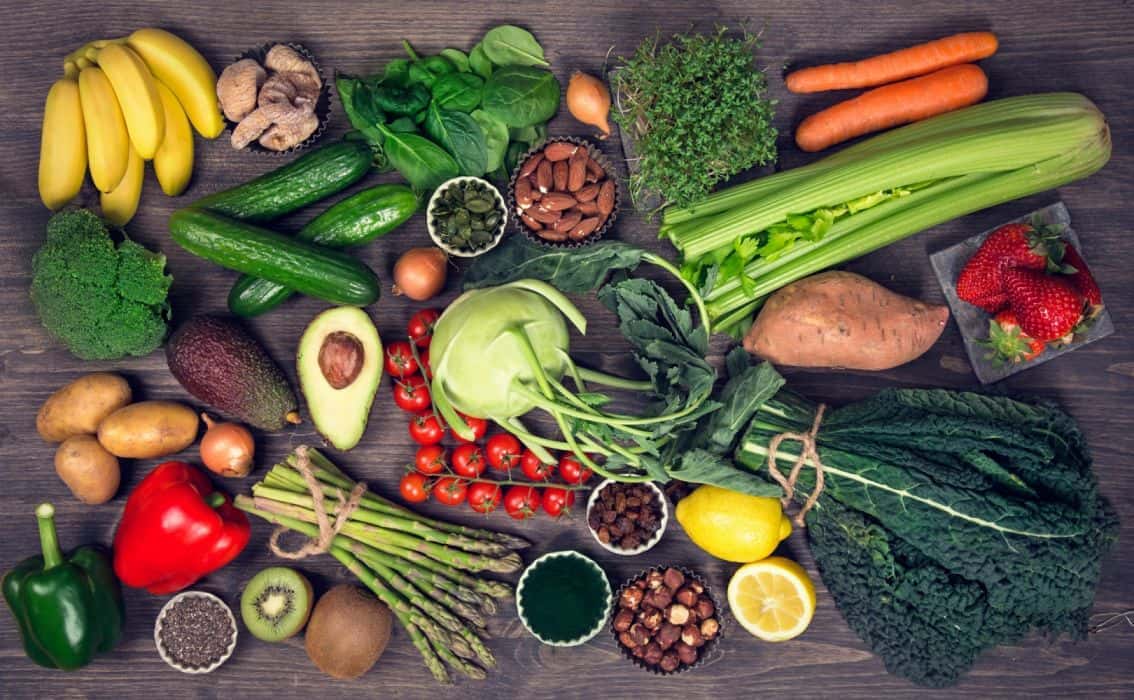
A diet to clean cholesterol, blood clots, and calcium deposits in the blood vessels?
To improve cardiovascular health by controlling cholesterol, preventing blood clots, and reducing calcium deposits in blood vessels. Foods that should be prioritized are foods rich in soluble fiber, unsaturated fats, and antioxidants.