Soluble fiber can reduce cholesterol absorption
Soluble fiber can reduce cholesterol absorption
Its mechanisms include binding to and removing bile acids, forcing the liver to use blood cholesterol to create new bile acids; slowing down the absorption of cholesterol directly; and producing short-chain fatty acids (SCFAs) that inhibit cholesterol production in the liver.
Soluble fiber acts like a “sponge” or “net” in your digestive system:
- It traps bile acids, forcing your liver to use existing cholesterol to make new cholesterol.
- It slows the absorption of dietary cholesterol from your gut.
- It feeds beneficial gut bacteria, resulting in compounds that can reduce cholesterol production in the liver.
These combined effects significantly contribute to lowering total cholesterol, especially LDL (“bad”) cholesterol, a major risk factor for heart disease.
In the diet, soluble fiber is a type of dietary fiber that dissolves in water to form a gel-like substance. This gel is key to its cholesterol-lowering effects, primarily through the following mechanisms:
1. Binding bile acids
( and indirectly to cholesterol):
Before I discuss this binding, let me briefly explain bile acids. Bile acids are essential for fat digestion. They are synthesized in your liver from cholesterol and then secreted into your small intestine to help emulsify fats and absorb fat-soluble vitamins. Normally, after this task is completed, most of the bile acids are reabsorbed in the lower part of your small intestine and returned to the liver - a process called enterohepatic circulation.
Back to the binding, you see, when you consume soluble fiber, this gel-like substance effectively binds to the bile acids in your small intestine. How do they bind? Because the bile acids are "trapped" by the fiber, they cannot be reabsorbed into your bloodstream. Instead, they are excreted from your body in your stool.
This increased excretion of bile acids forces your liver to produce more bile acids to replace those lost. To produce more bile acids, the liver pulls cholesterol out of your bloodstream, thereby reducing the amount of cholesterol circulating in your blood, particularly LDL cholesterol.
2. Slows digestion and absorption:
The viscous, gel-like nature of soluble fiber slows the rate of digestion and the movement of food through your digestive system. This increased viscosity and bulk can slow down the absorption of dietary cholesterol and other fats from the intestines into the bloodstream. By slowing the rate of cholesterol absorption, less cholesterol enters your body at once. This delayed absorption can lead to a reduction in plasma LDL cholesterol levels.
3. Impact on gut microbiota
and short-chain fatty acids (SCFA):
While soluble fiber doesn’t directly block absorption, it also serves as food for the beneficial bacteria in your large intestine – your gut microbiota.
When these bacteria ferment soluble fiber, they produce short-chain fatty acids (SCFA) such as acetate, propionate, and butyrate. These SCFA, especially propionate, can be absorbed into the bloodstream and travel to the liver, where they are thought to inhibit the liver’s cholesterol synthesis, further contributing to lower blood cholesterol levels. This fermentation process also promotes a healthy gut environment, which generally supports overall health and the ability to excrete cholesterol.
Foods rich in soluble fiber include:
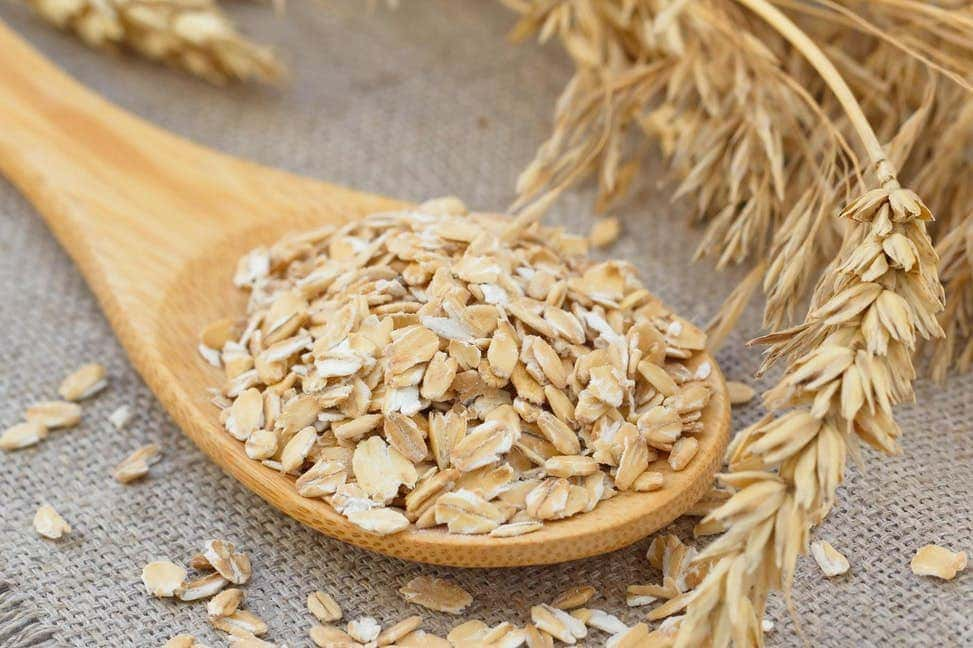
- Oats and oat bran (especially beta-glucan)
- Barley
- Legumes (beans, lentils, peas, chickpeas)
- Fruits (apples, pears, citrus fruits like oranges, berries)
- Vegetables (Brussels sprouts, carrots, broccoli, sweet potatoes)
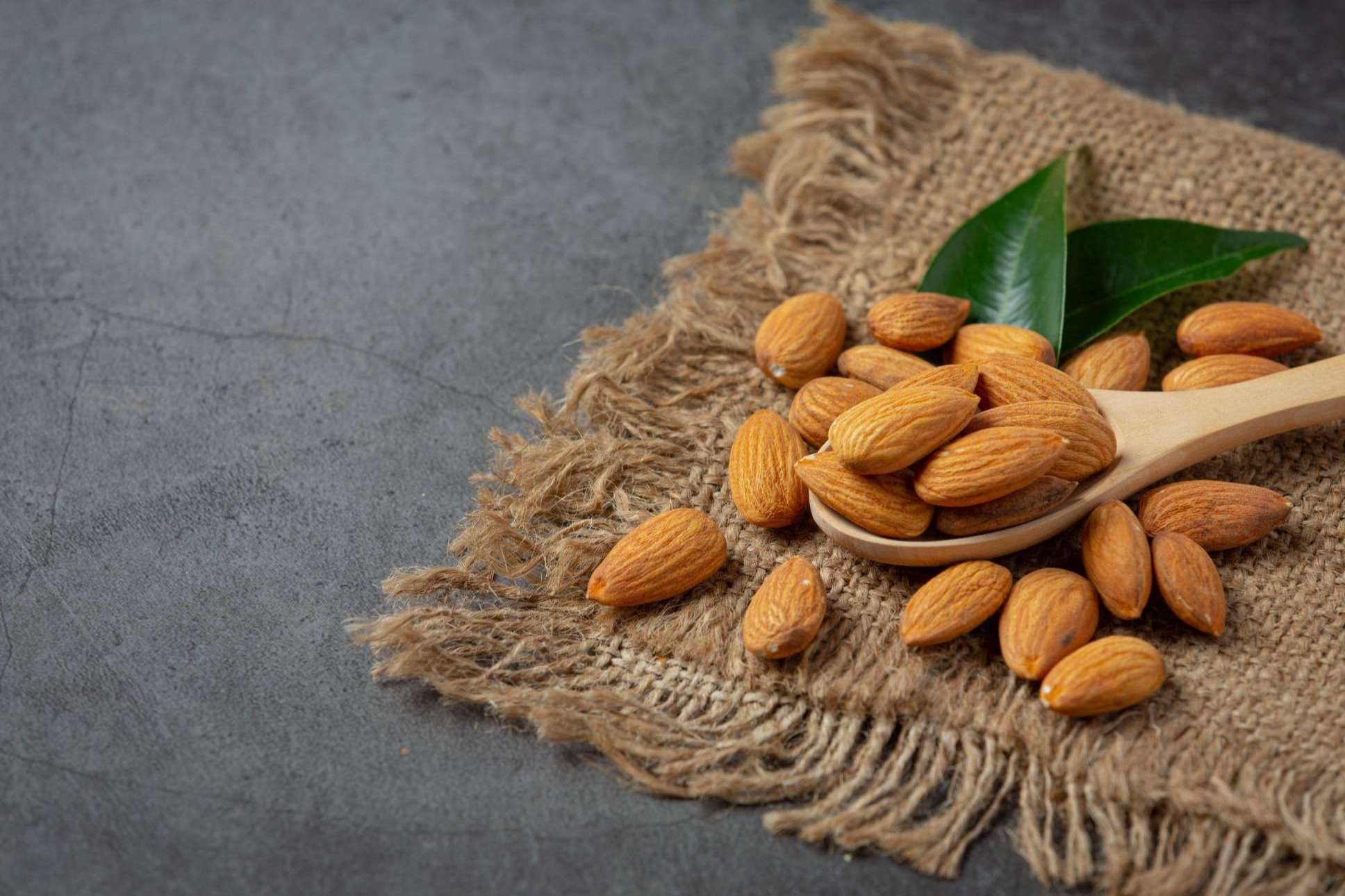
- Nuts and seeds (flaxseeds, chia seeds, almonds)
Compiled and written by Crocus Media
Products
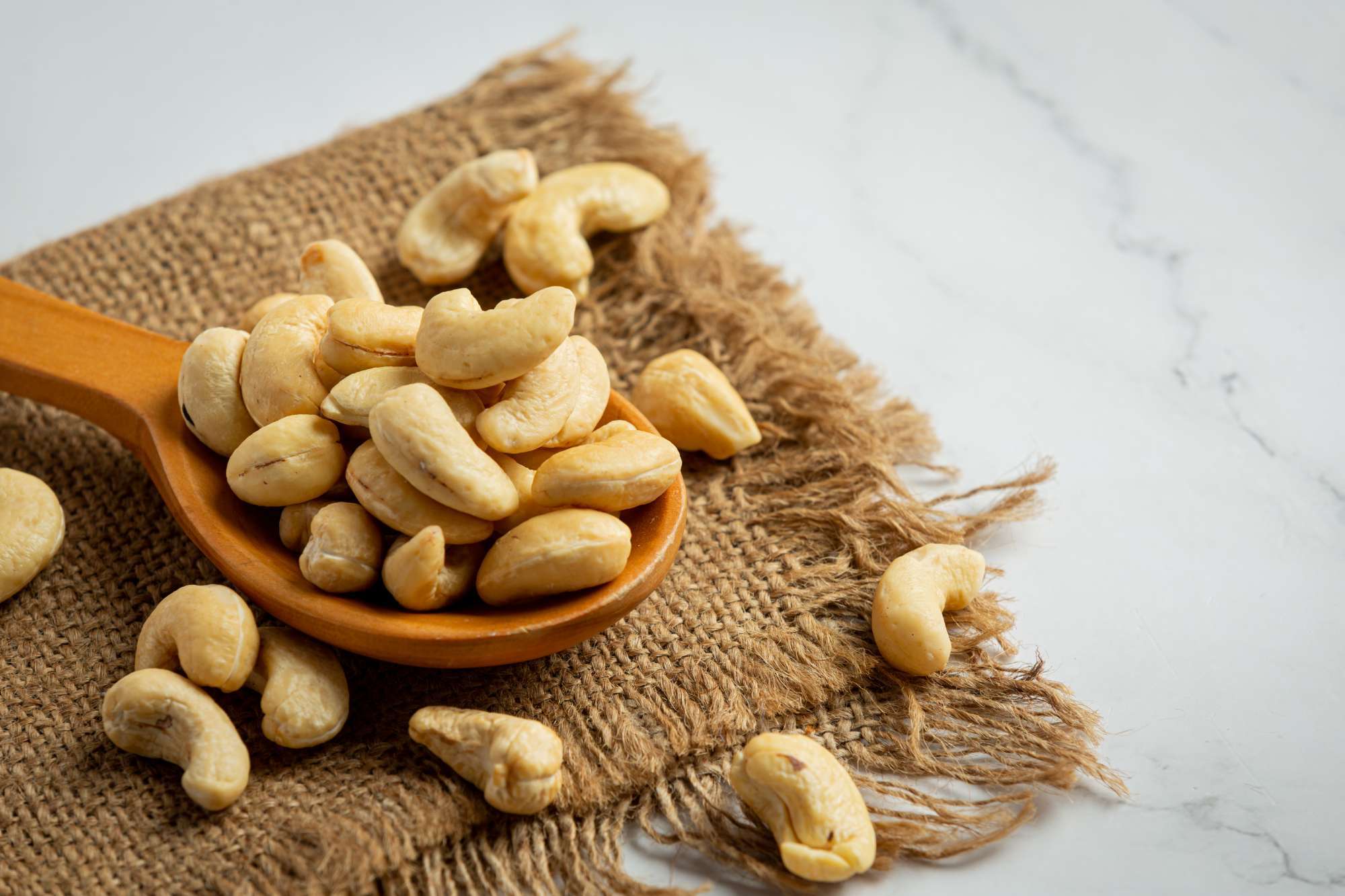
Cashew
Cashew Nuts contain a lot of vitamins, minerals and antioxidants such as vitamin E, vitamin K, vitamin B6, copper, phosphorus, zinc, magnesium, iron and selenium. Despite being rich in nutrients, cashews are slightly lower in fat than most other nuts.
Related articles

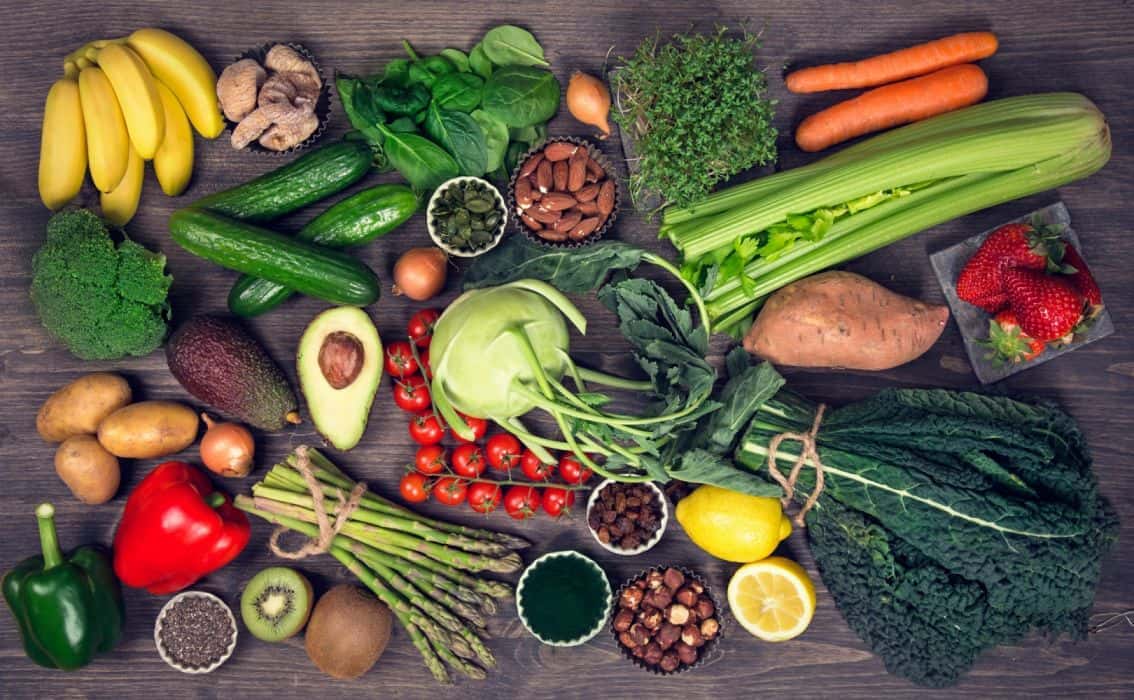
A diet to clean cholesterol, blood clots, and calcium deposits in the blood vessels?
To improve cardiovascular health by controlling cholesterol, preventing blood clots, and reducing calcium deposits in blood vessels. Foods that should be prioritized are foods rich in soluble fiber, unsaturated fats, and antioxidants.
Oats and Oatmeal
Oats are among the healthiest grains on earth. They’re a gluten-free whole grain and a great source of important vitamins, minerals, fiber and antioxidants. Studies show that oats and oatmeal have many health benefits such as weight loss, lower blood sugar levels and a reduced risk of heart disease.