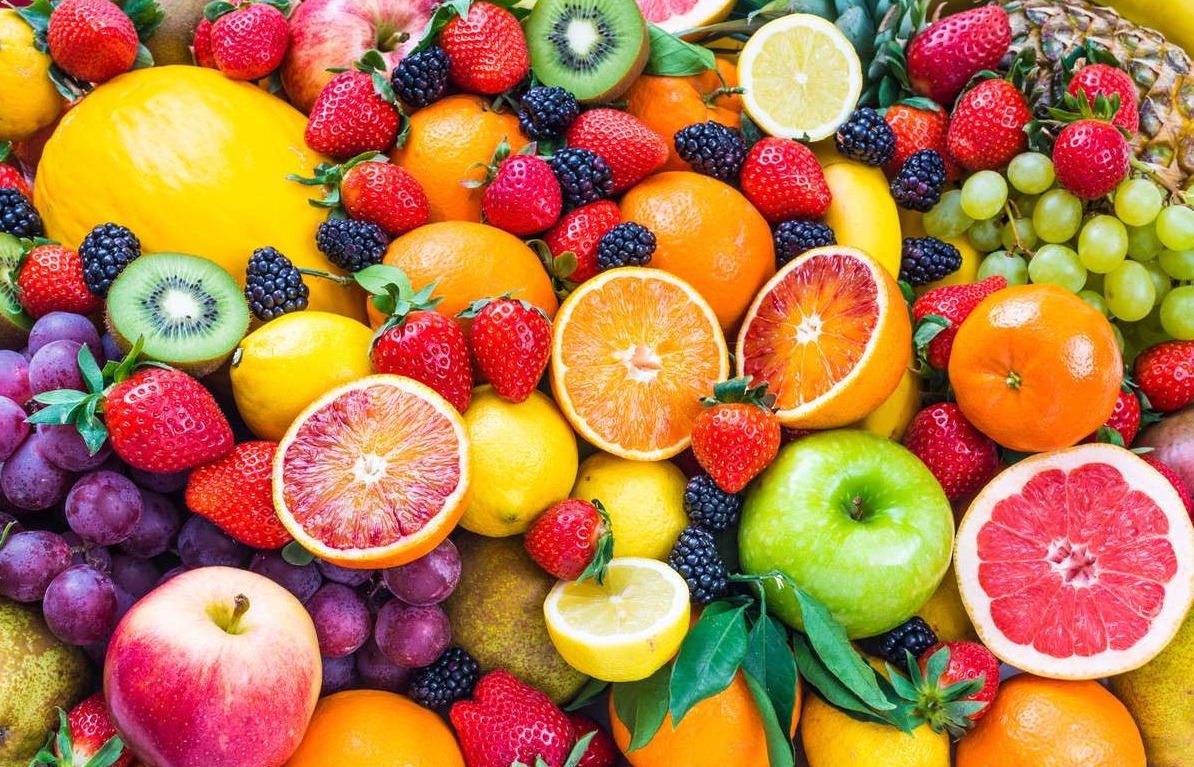
A diet to clean cholesterol, blood clots, and calcium deposits in the blood vessels?
A diet to clean cholesterol, blood clots, and calcium deposits in the blood vessels?
To improve cardiovascular health by controlling cholesterol, preventing blood clots, and reducing calcium deposits in blood vessels. Foods that should be prioritized are foods rich in soluble fiber, unsaturated fats, and antioxidants.
Diet alone may not completely “clear” cholesterol, blood clots, and calcium deposits that have already formed in the blood vessels. These are complex processes that can take time and may require medical intervention. However, a heart-healthy diet plays an important role in preventing further buildup, supporting overall heart health, and potentially slowing the progression of these conditions. In healthy eating, pay attention to the following three conditions:
I. Managing high cholesterol
and preventing plaque buildup
1. Soluble fiber binds to cholesterol in the digestive tract, reducing its absorption. These soluble fibers are easily found in the following foods:
- Oats, barley, beans, lentils
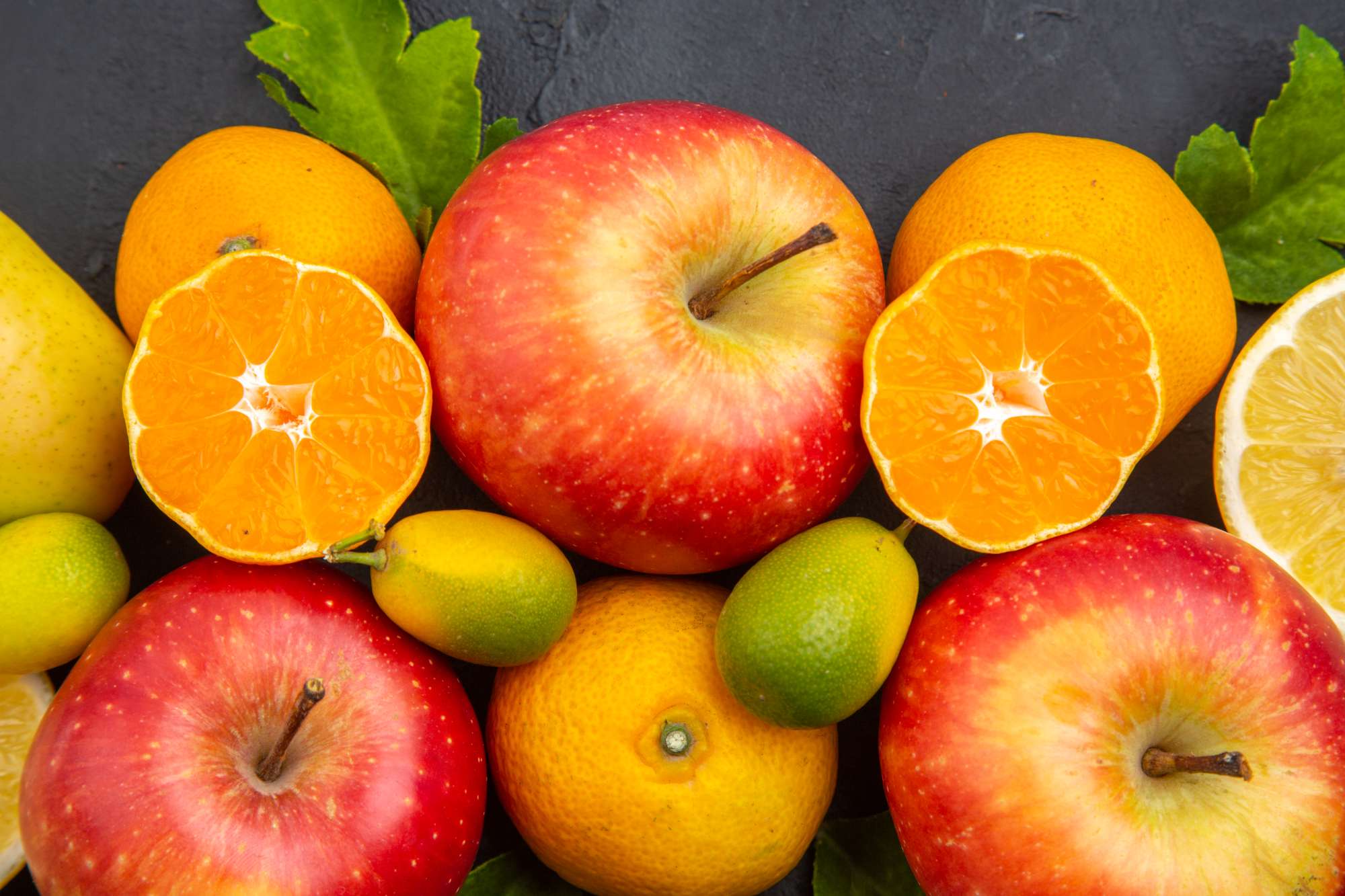
- Apples, citrus fruits, Brussels sprouts.
2. Omega-3 fatty acids reduce triglycerides, lower blood pressure, decrease blood clotting, and may reduce plaque buildup. You can find this Omega-3 in these foods:
- Fatty fish (salmon, mackerel, sardines, tuna)
- Flaxseeds, chia seeds, walnuts.
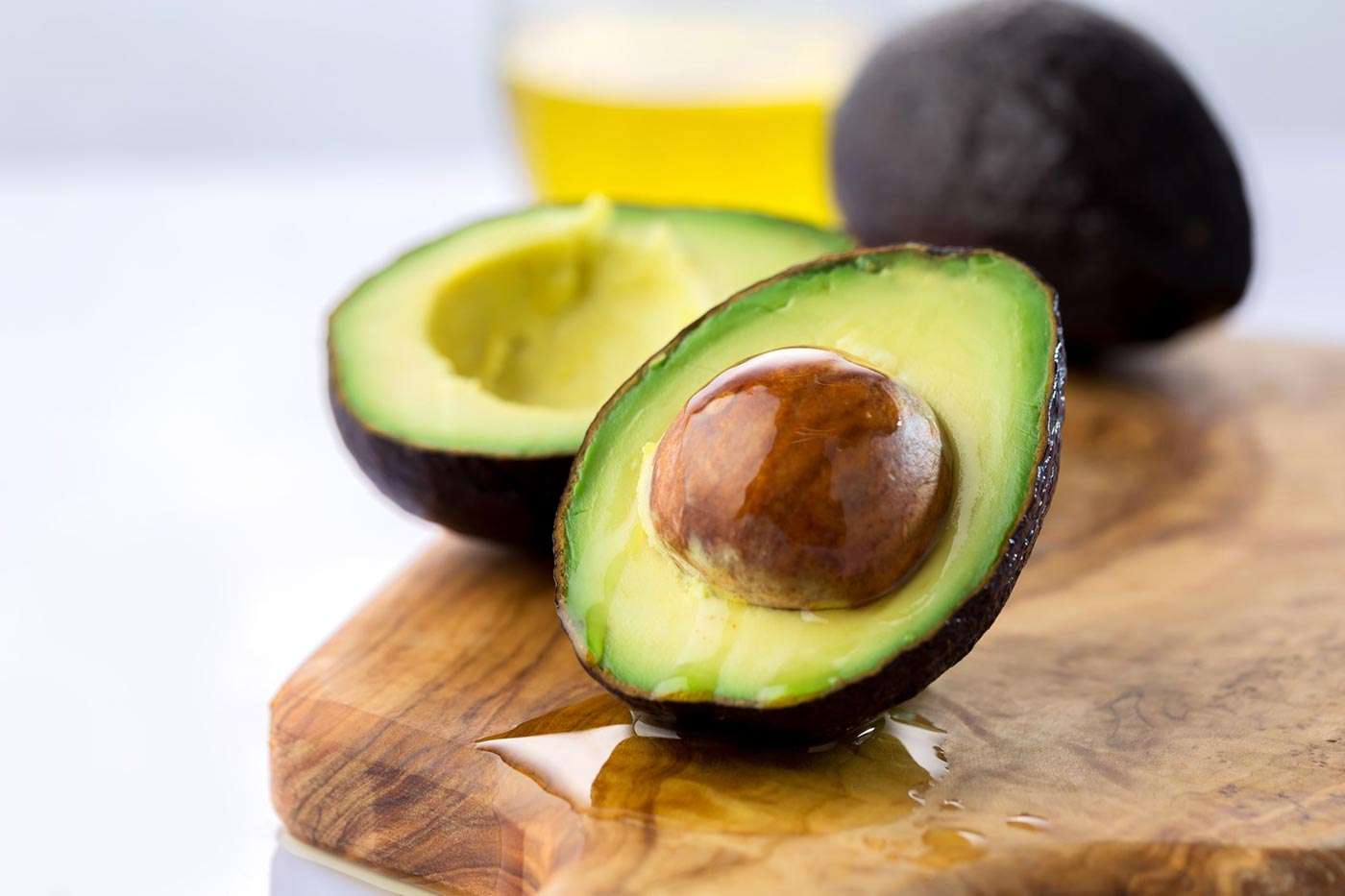
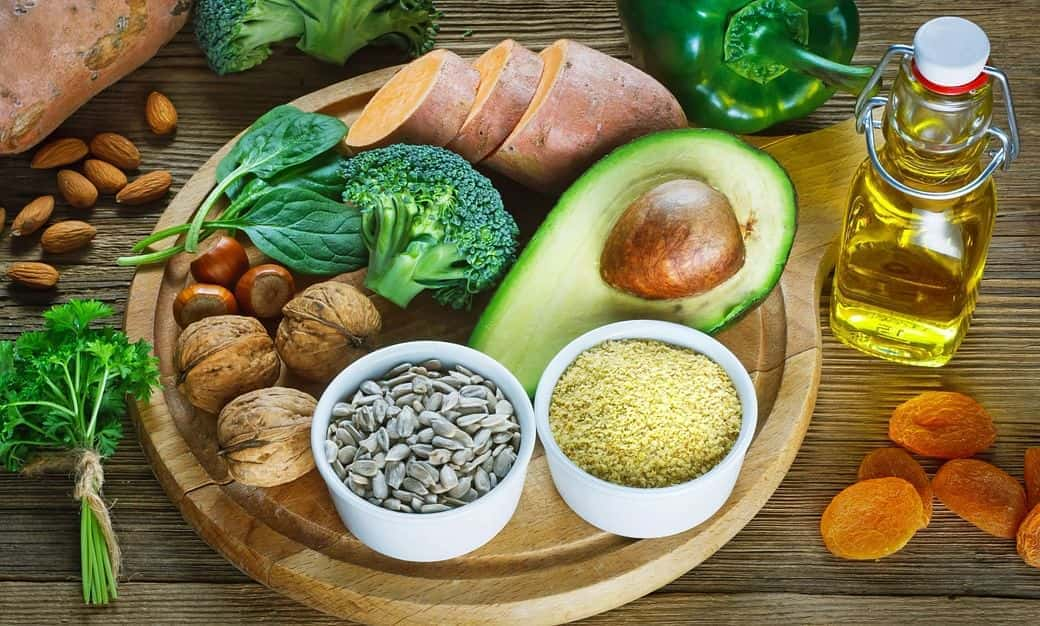
3. Monounsaturated and polyunsaturated fats are the healthy fats that can improve cholesterol levels when used instead of saturated and trans fats. It is contained in olive oil, avocados, nuts, and seeds.
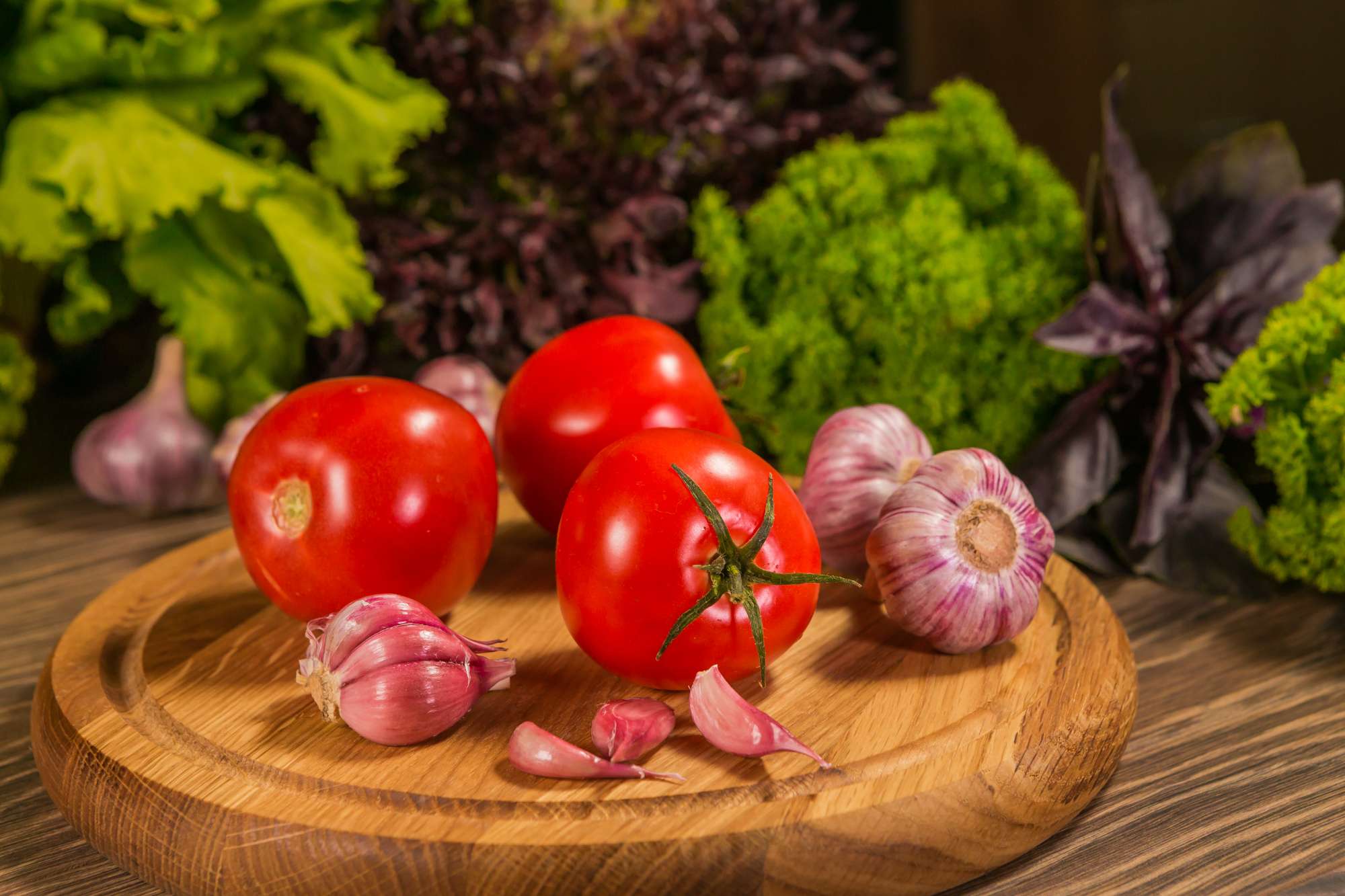
4. Antioxidant-rich foods help reduce inflammation and protect LDL cholesterol from oxidation, a key step in the formation of plaque, including berries (such as blueberries, strawberries, raspberries), leafy greens (such as spinach, kale), dark chocolate (at least 70% cacao), and tomatoes.
5. Garlic help lower cholesterol, prevent calcium deposits, and have antithrombotic effects.
II. Preventing and
potentially helping dissolve blood clots
1. Omega-3 Fatty Acids as mentioned above, it can reduce blood clotting.
2. Turmeric contains curcumin, which has anti-inflammatory and anticoagulant properties.
3. Ginger helps prevent blood clotting by reducing thromboxane, a substance that causes platelets to aggregate.
4. Garlic with antithrombotic activity.
5. Cayenne pepper contains salicylates, which can have a blood-thinning effect.
6. Almonds, sunflower seeds, and spinach are rich in Vitamin E, which may help thin blood.
7. Pineapple: Contains bromelain, an enzyme with anti-inflammatory and anticoagulant properties.
8. Grapes: Contain resveratrol, which has anti-inflammatory and potential anti-clotting effects.
III. Reducing calcium deposits in blood vessels
1. Cheese, chicken, egg yolks, sauerkraut, beef liver, and natto are rich in Vitamin K2, which helps deliver calcium directly to bones and teeth, preventing calcium deposits in arteries.
2. Chia seeds, sesame seeds, almonds, peanuts, pumpkin seeds, and cashews are foods rich in magnesium, which helps balance calcium levels in the body.
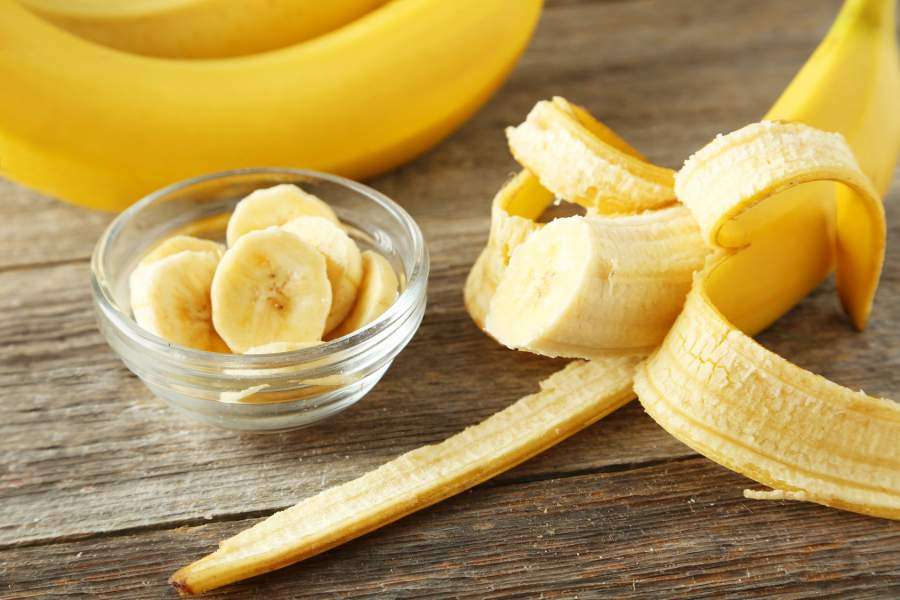
3. Phytic acid (IP-6): Can help draw calcium away from places where it shouldn't be, such as arteries. Phytic acid is abundant in avocados, bananas, and sweet potatoes.
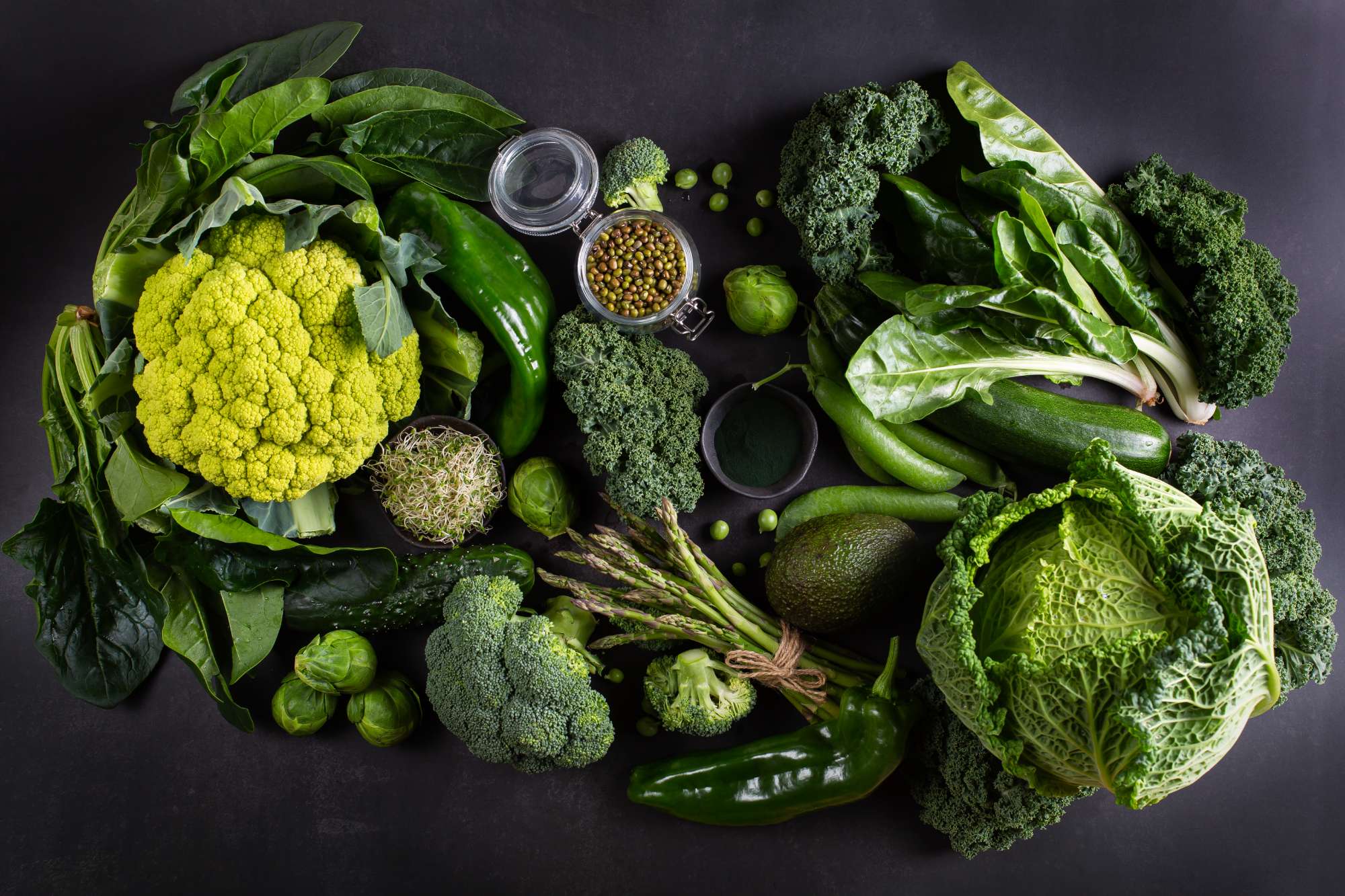
4. Potassium-rich foods: Studies show that potassium can reduce vascular calcification. Leafy green vegetables are rich in Vitamin K, which can prevent calcium deposits in arteries.
.jpg)
GENERAL DIETARY RECOMMENDATION
FOR CARDIOVASCULAR HEALTH
1. Increase fiber intake: Aim for at least 25-30 grams per day from fruits, vegetables, whole grains, and legumes.
2. Limit saturated and trans fats: Reduce intake of red meat, full-fat dairy products, and highly processed foods.
3. Reduce sodium intake: High sodium can contribute to high blood pressure.
4. Limit added sugars: High sugar intake can contribute to inflammation and other cardiovascular risk factors.
5. Stay hydrated: Water is essential for overall health and blood flow.
IMPORTANT CONSIDERATIONS
This information is for general guidance and should not replace medical advice. If you have high cholesterol, blood clots, or calcium deposits, it is crucial to consult with a healthcare professional or a registered dietitian. They can assess your specific condition and recommend a personalized treatment plan, which may include medication, lifestyle changes, and dietary modifications.
Focus on incorporating a variety of these heart-healthy foods into a balanced diet as a long-term strategy for cardiovascular well-being.
Compiled and written by Crocus Media
Products
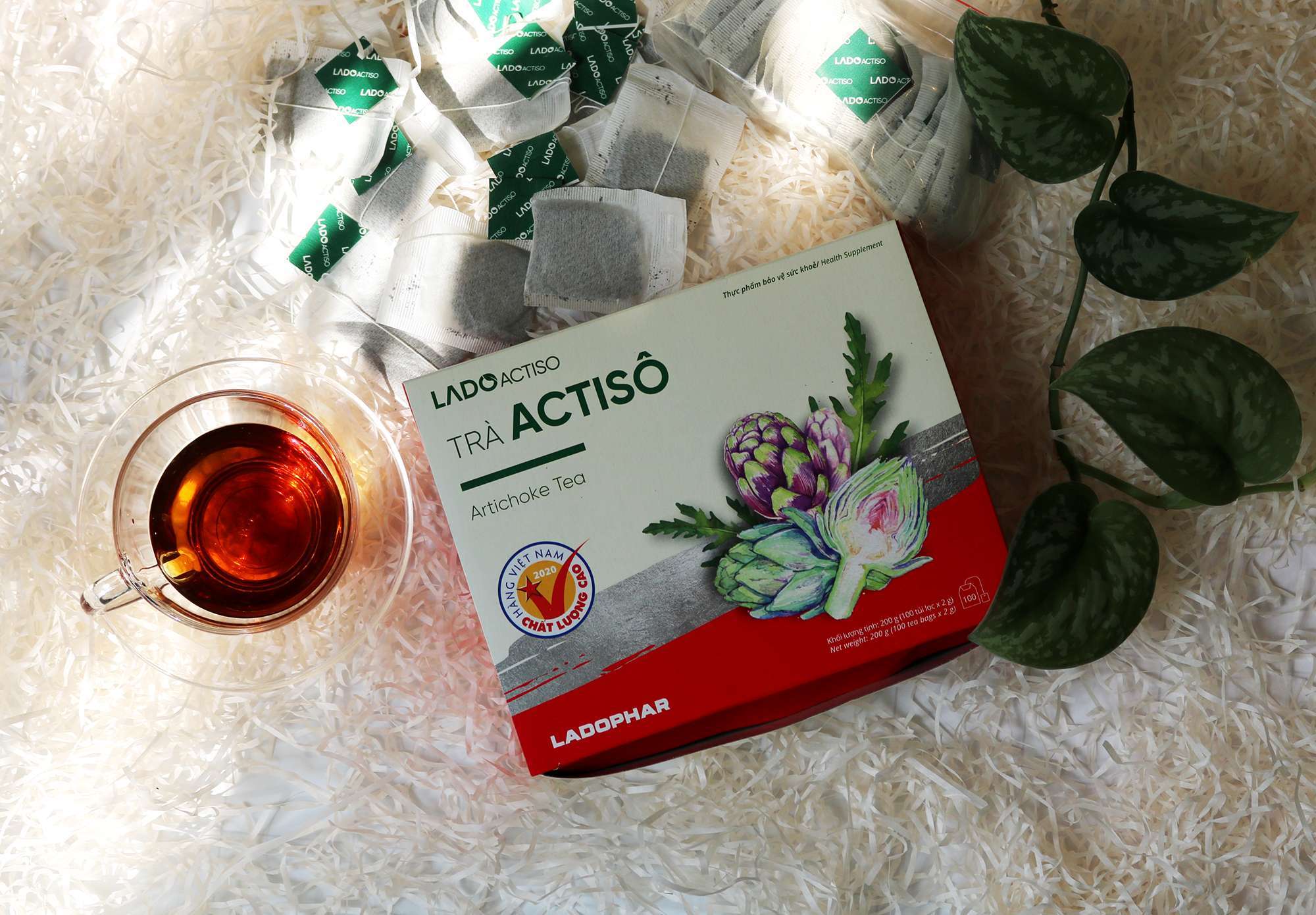
Artichoke tea
Premium artichoke tea box of 100 premium tea bags is a traditional product from artichoke with aroma from artichoke with completely natural sweetness, now added with high artichoke ingredient to enhance the prevention and protection effect of hepatobiliary.

Negin Saffron Kashmiri
Negin Saffron from The House of Origins is legally sourced with high quality. There are a plethora of famous saffron raw material areas, but the Kashmiri pistil from India has a better quality because the climatic and soil conditions are more suitable for them. Each Kashmiri saffron has 3 delicate branches of saffron that are skillfully hand-picked by the local Lethapora farmer community to bring you the original and pure 'red gold'.
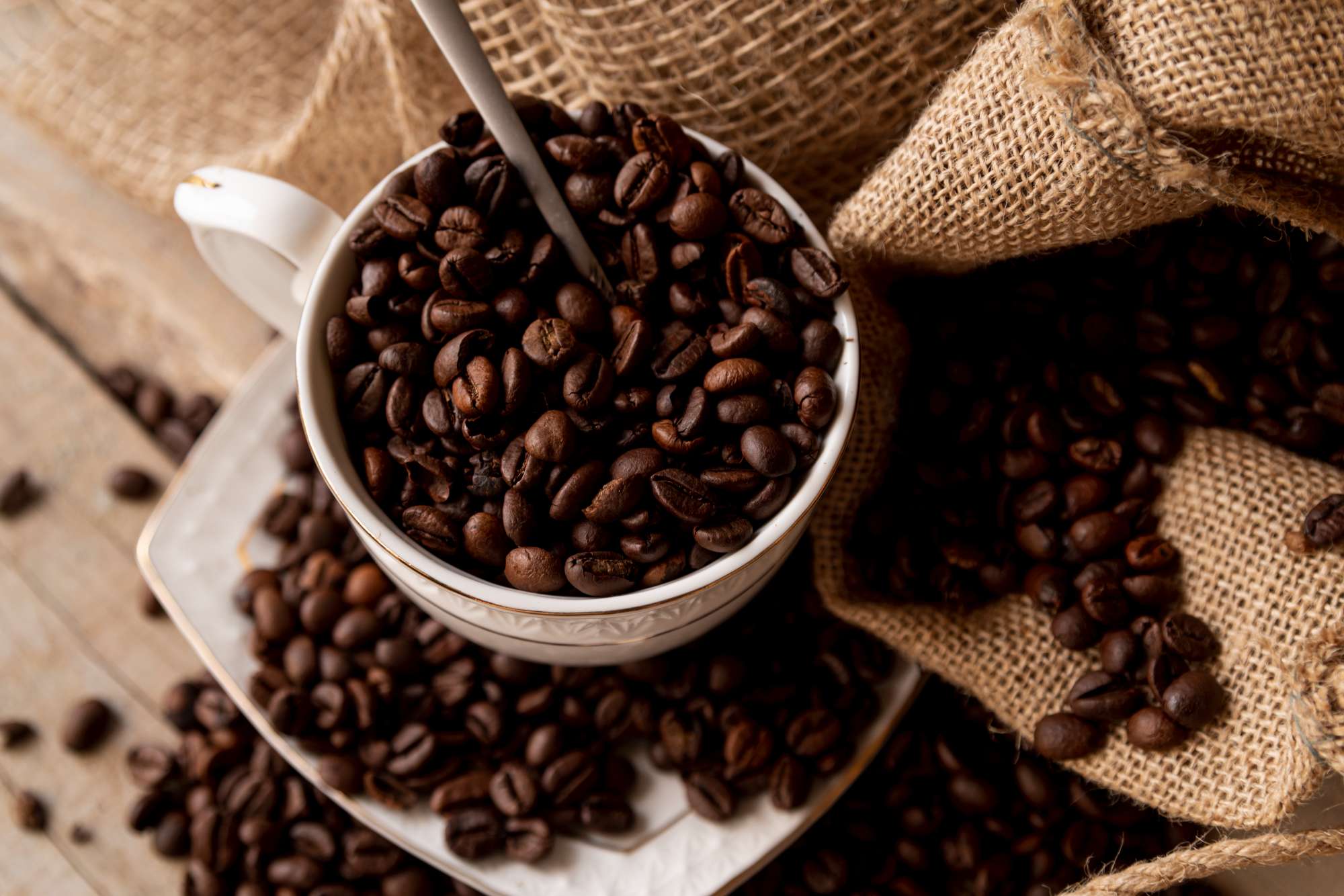
Arabica coffee
Arabica, which originates from the forests of Southern Ethiopia and Yemen, is by far the most popular coffee in the world with the total output accounting for more than 60%. Arabica beans have different flavors depending on the region, it can be sweet with a fruity flavor but can also have a grainy or nutty flavor.
Related articles

Soluble fiber can reduce cholesterol absorption
Its mechanisms include binding to and removing bile acids, forcing the liver to use blood cholesterol to create new bile acids; slowing down the absorption of cholesterol directly; and producing short-chain fatty acids (SCFAs) that inhibit cholesterol production in the liver.