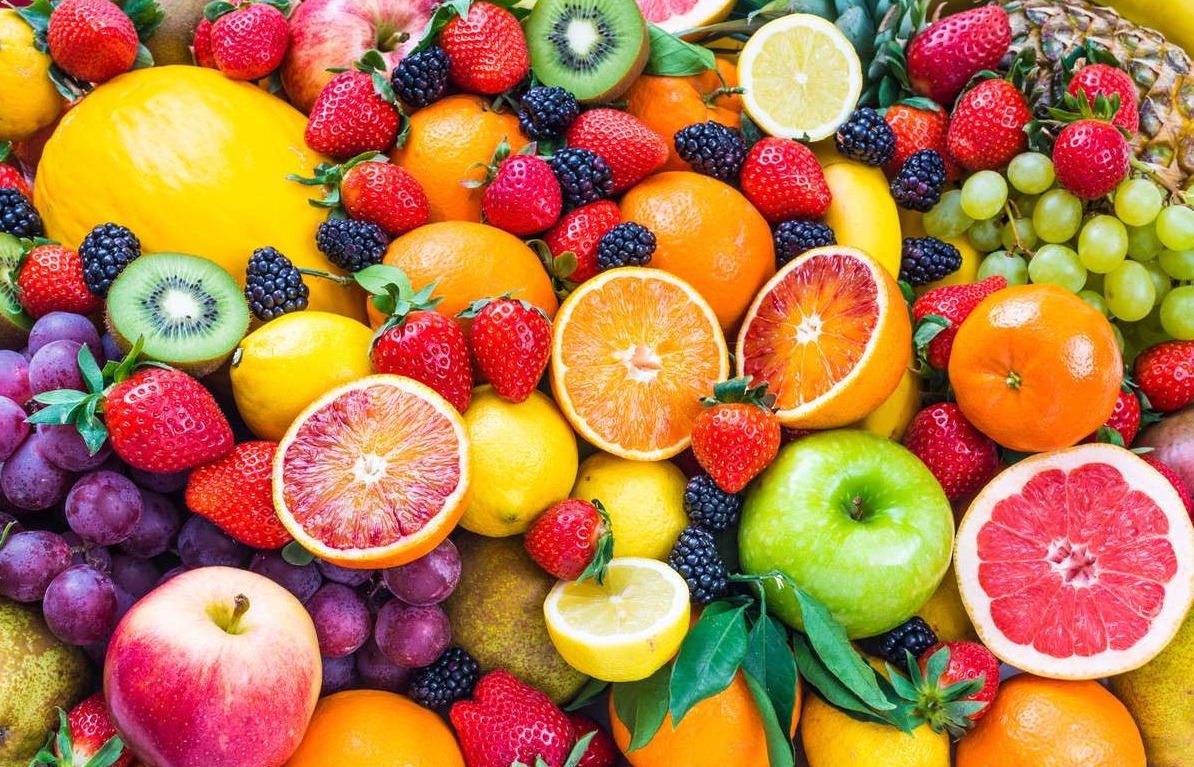
How the LDL - Cholesterol duo operates in the body
How the LDL - Cholesterol duo operates in the body
Understanding the true nature of LDL cholesterol, the mechanisms causing atherosclerosis, and how to proactively control LDL levels through a healthy lifestyle.
When we mention cholesterol, most of us immediately think of an "enemy" of the cardiovascular system. Among them, LDL cholesterol is always labeled as the "bad" type. However, if we look deeper into biological mechanisms, our bodies do not operate in such a simple "good vs. bad" manner. To master our health and build a healthy lifestyle, the first step is to fully understand how this duo operates in the body.
1. The Essence:
LDL and Cholesterol are not the same.
Many of us equate these two concepts, but in reality, they are two completely different entities operating as a dynamic duo:
- Cholesterol: A type of lipid (fat) essential for the body, existing in almost all cells. Imagine it as the "material" that needs to be transported.
- LDL (Low-Density Lipoprotein): A protein-lipid complex. It can be thought of as a specialized "delivery truck."
Since cholesterol is a fat and is insoluble in water, it cannot travel through the bloodstream on its own. To reach tissues and nourish cells, this entire "material" of cholesterol must ride on Lipoprotein "trucks", the most common of which is LDL.
2. Biological role:
At moderate levels, low-density lipoprotein (LDL) performs an essential transport function. LDL carries cholesterol from the liver to organs and cells in the body to be used for three core purposes:
- Cell Structure: Building cell membranes, keeping them flexible and healthy.
- Hormone Production: Serving as the raw material to synthesize crucial reproductive and stress-response hormones, such as cortisol, testosterone, and estrogen.
- Supporting the synthesis of Vitamin D under the skin when exposed to sunlight to keep bones strong.
The truth is: Without the LDL truck, cells would face a "material" for repair and regeneration. LDL is essentially a silent and essential transporter. Trouble only truly begins when the number of these trucks becomes excessive, leading to traffic jams in the bloodstream.
3. Health consequences
of excessively high LDL levels
When LDL levels exceed the absorption needs of cells, the body cannot consume it all. The excess LDL then circulates in the bloodstream, triggering a dangerous chain reaction:
- Oxidation: Excess LDL molecules are affected by free radicals in the blood and oxidized.
- Immune System Activation: The body recognizes these oxidized LDLs as "foreign objects" and sends white blood cells to destroy them.
- Plaque Formation: White blood cells that "consume" too much fat transform into foam cells, depositing and adhering to the vessel walls. Over time, they form hard atherosclerotic plaques, narrowing the vessels and obstructing blood flow.
The ultimate consequence of this process is the emergence of dangerous pathologies like hypertension and myocardial ischemia. The highest risk is a stroke or a heart attack when these plaques rupture, forming blood clots that completely block blood flow to the heart and brain.
4. Safe LDL Levels:
To know your body's current state, regular blood tests to check your LDL levels are crucial. Typically, LDL levels are classified as follows:
- LDL (mg/dL) levels below 100: Optimal (Ideal state).
- LDL (mg/dL) levels from 100 to 129: Acceptable.
- LDL (mg/dL) levels from 130 to 159: Near-High (Caution required).
- LDL (mg/dL) levels from 160 to 189: High (Increased risk of atherosclerosis).
- LDL (mg/dL) levels of 190 or higher: Very High (Dangerous, requires medical intervention).
5. Factors causing LDL to get out of control
LDL levels in the body are greatly influenced by two groups of factors:
- Lifestyle (adjustable):Diet high in saturated fats (fatty meats, poultry, butter) and trans fats (fried foods, processed foods); lack of exercise; smoking; and prolonged stress.
- Predisposition &Medical Conditions (difficult to adjust): Due to genetic factors (familial hypercholesterolemia), age, or the influence of underlying medical conditions such as hypothyroidism, kidney disease.
Proactively protecting blood vessels through lifestyle and nutrition
We cannot change genetic factors or age, but we can completely control LDL levels through proactive daily choices in the kitchen and lifestyle habits:
- Reduce trans fats: Minimize fried foods, processed foods, and fast food. This is the main "culprit" that increases LDL and decreases HDL (good cholesterol).
- Prioritize unsaturated fats: Replace animal fats with healthy vegetable oils (olive oil, avocado oil) and nuts (almonds, walnuts, chia seeds).
- Increase soluble fiber: Soluble fiber is abundant in oats, beans, apples, and green vegetables. It acts like a "biological broom," binding to cholesterol in the digestive system and eliminating excess before it enters the bloodstream.
- Exercise regularly: At least 30 minutes a day with suitable activities such as brisk walking, cycling, or yoga. Exercise not only helps burn excess energy but also promotes smoother fat metabolism.
IN CONCLUSION
Our bodies are incredibly intelligent biological machines. LDL cholesterol isn't entirely the "enemy"; it only becomes dangerous when our lifestyles become unbalanced. Besides maintaining a healthy diet and exercise routine, don't forget to proactively get regular health checkups every 6-12 months. Testing your blood lipid levels is the most accurate way to "listen" to and understand your body, helping to detect risks early, even before any warning signs appear.
Understanding your body, appreciating each health indicator, and proactively preventing problems are the strongest keys to protecting your heart and circulatory system for years to come.
Compiled and written by Crocus Media.
Products
.jpg)
Chrysanthemum tea
Chrysanthemum tea is a herbal tea with bitter tastes, coolness, heat clearing, helps reduce acne, nourishes the body, cools the liver, detoxifies, curing neurasthenia, support cancer treatment, ... Chrysanthemum tea is made from 100% natural herbs, no preservatives, no flavoring, safe for health.
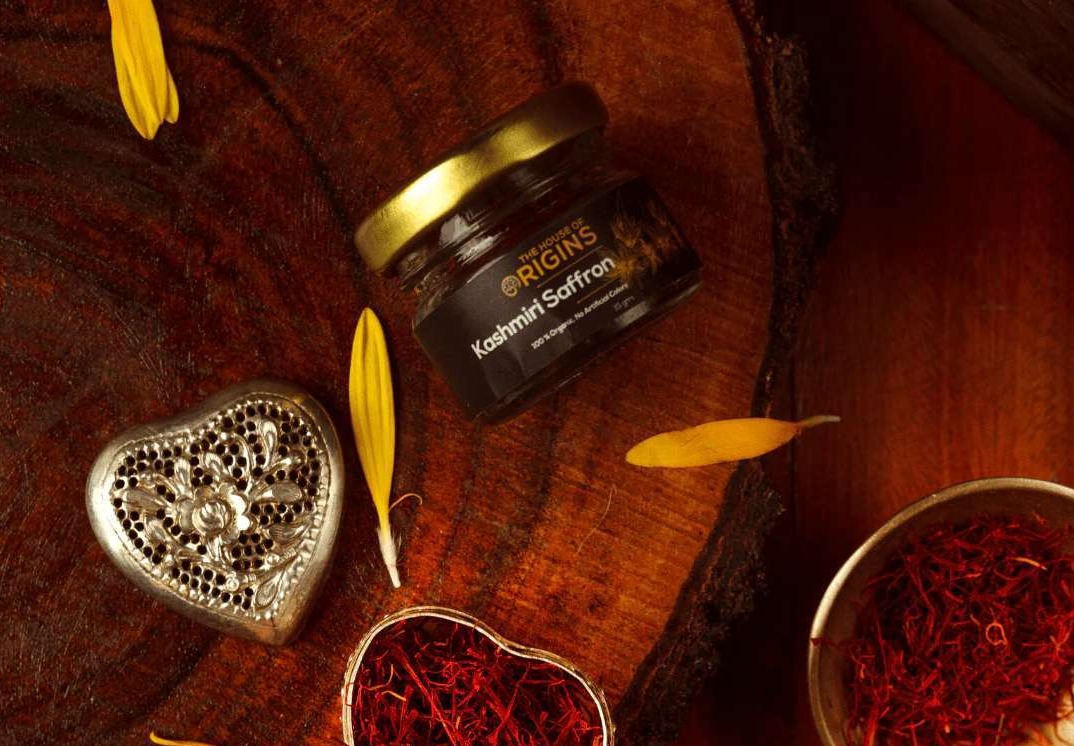
Negin Saffron Kashmiri
Negin Saffron from The House of Origins is legally sourced with high quality. There are a plethora of famous saffron raw material areas, but the Kashmiri pistil from India has a better quality because the climatic and soil conditions are more suitable for them. Each Kashmiri saffron has 3 delicate branches of saffron that are skillfully hand-picked by the local Lethapora farmer community to bring you the original and pure 'red gold'.
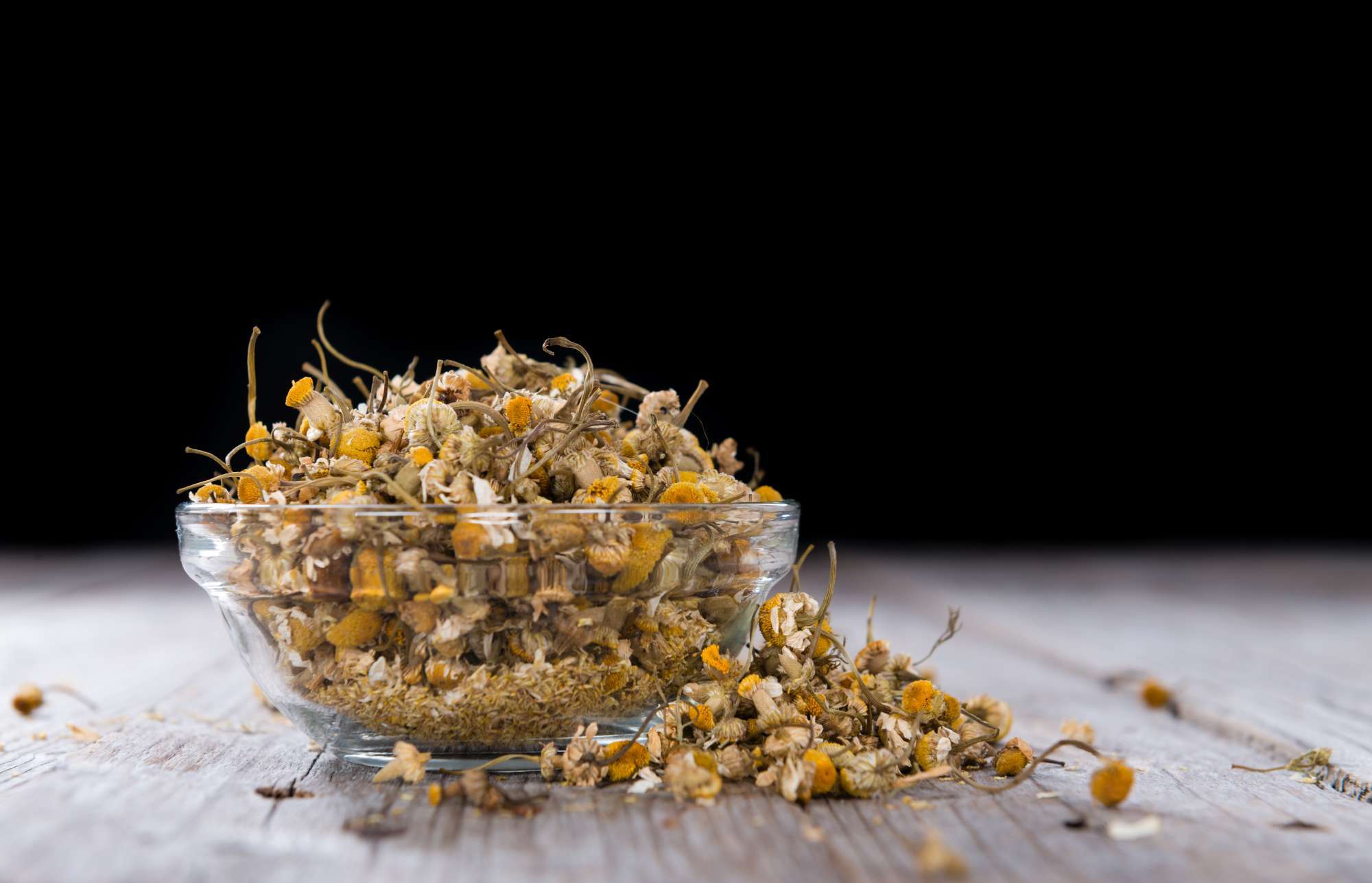
Chamomile tea
Chamomile tea has a mildly bitter taste and countless valuable health benefits such as Improves heart health, treats insomnia, controls blood sugar, reduces cancer risks, clears heat, detoxifies, lowers blood pressure,... Chamomile tea is made from 100% natural herbs, no preservatives, no flavorings, safe for health.
Related articles
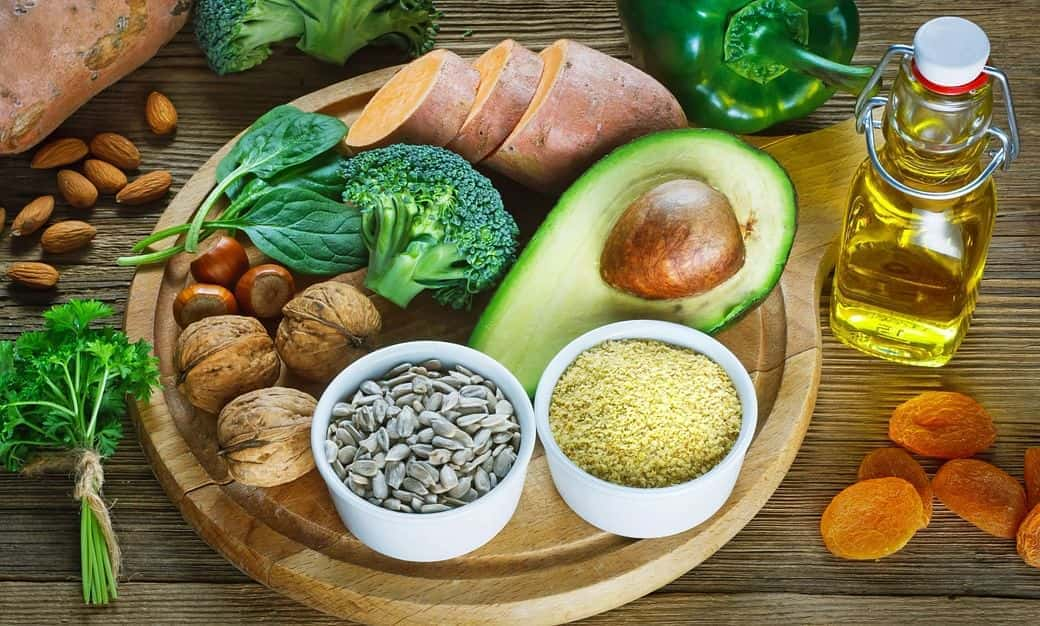
Soluble fiber can reduce cholesterol absorption
Its mechanisms include binding to and removing bile acids, forcing the liver to use blood cholesterol to create new bile acids; slowing down the absorption of cholesterol directly; and producing short-chain fatty acids (SCFAs) that inhibit cholesterol production in the liver.
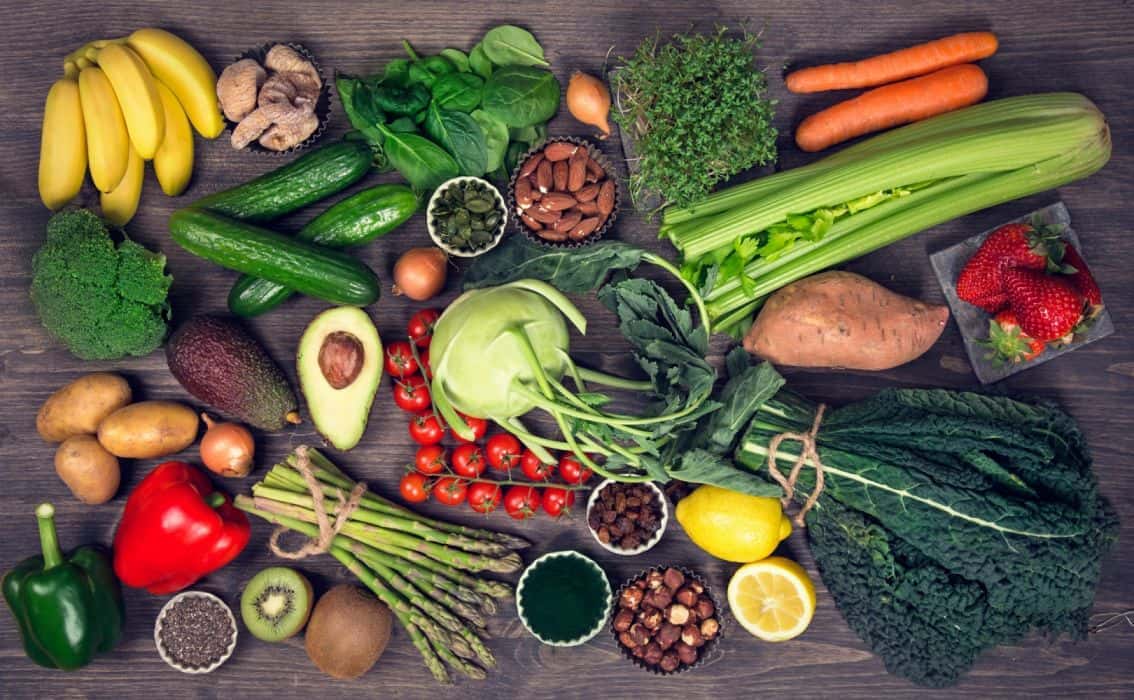
A diet to clean cholesterol, blood clots, and calcium deposits in the blood vessels?
To improve cardiovascular health by controlling cholesterol, preventing blood clots, and reducing calcium deposits in blood vessels. Foods that should be prioritized are foods rich in soluble fiber, unsaturated fats, and antioxidants.