What is Fiber? Understanding it correctly to take control of gut health.
What is Fiber? Understanding it correctly to take control of gut health.
Have you ever heard the saying, "To be healthy, start with your gut"?
In the modern world of nutrition, when it comes to weight loss, blood sugar stabilization, or improved digestion, one name is always mentioned first by health experts: fiber. However, despite hearing this term daily in newspapers and health programs, most of us still only have a vague understanding of it as simply "eating vegetables to relieve constipation."
The truth is, fiber possesses far greater "power" than that for your immune system, weight, and cardiovascular health. This article from Crocus Media will help you break down the scientific definition of fiber from its roots, clearly distinguishing between soluble and insoluble fiber, and thus help you learn how to intelligently utilize this nutrient for your body.
At its simplest, fiber is a type of carbohydrate that your body cannot digest. Unlike other carbs (like starches and sugars), which your body breaks down into glucose molecules for energy, fiber passes through your stomach, small intestine, and colon relatively intact.
Think of fiber as the "structural scaffolding" of the plant world. It gives cell walls their shape and rigidity. Because human bodies lack the specific enzymes required to break the chemical bonds that hold fiber molecules together, it passes through us largely unchanged, yet it does a massive amount of work along the way.
THE 2 MAIN TYPES:
Soluble and Insoluble Fiber. It's not just one thing; it's a broad category. Most fiber-rich foods contain a mix of both types, and each acts completely differently in your digestive tract.
1. Soluble Fiber (like the "Sponge")
How it works: It dissolves in water to form a gel-like substance in your gut.
The benefits: This gel slows down digestion, which helps prevent sharp spikes in your blood sugar. It also binds to cholesterol particles in your digestive system and drags them out of the body, helping lower overall blood cholesterol levels.
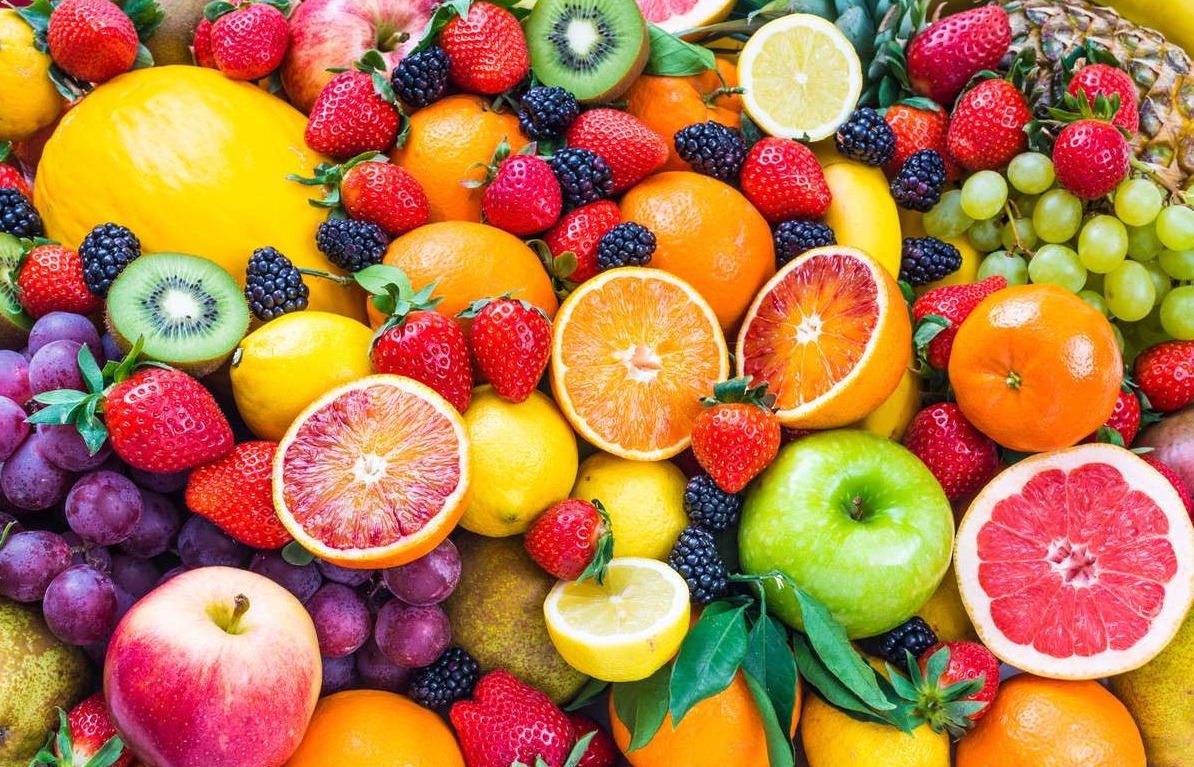
Sources: Oats, chia seeds, beans, lentils, apples, citrus fruits, berries, artichokes, broccoli, and winter squash.
2. Insoluble Fiber (like the "Broom")
How it works: It does not dissolve in water and remains relatively rigid.
The benefits: It adds bulk to your stool and acts like a broom, sweeping through your intestines to keep things moving. This is the type of fiber that actively prevents constipation and supports regular bowel movements. It helps to increase motility, and it helps to promote the turnover of gut cells.
Sources: Insoluble fiber is found in the highest amounts in whole grains (like whole wheat flour, wheat bran, quinoa, and brown rice), nuts (like almonds and walnuts), beans (like navy beans, pinto beans, kidney beans, and green beans), and some vegetables (like spinach, kale, cauliflower, potatoes, and cucumber).

WHY IT MATTERS:
The microbiome connection
Beyond just "keeping things moving," fiber is the primary food source for your gut microbiome—the trillions of beneficial bacteria living in your large intestine.
When soluble fiber reaches your colon, your gut bacteria ferment it. This fermentation process produces short-chain fatty acids (SCFAs) like acetate, propionate, and butyrate.
The SCFA Payoff: These fatty acids are incredibly vital. They nourish the cells lining your colon, strengthen the gut barrier to keep harmful pathogens out, and help regulate systemic inflammation throughout your entire body.
RECOMMENDED DAILY AMOUNT
Women: Need 25 grams of fiber/day.
Men: Need 38 grams of fiber/day.
Alarming fact: The average adult currently consumes only about 15 grams of fiber per day due to a diet of refined foods.
The "Slow and Hydrated" Principle: If you are planning to increase your fiber intake to improve your health, listen to your body and increase it gradually over 1–2 weeks, and be sure to drink more water.
Insoluble fiber needs water to move, and soluble fiber needs water to swell and form a gel. Consuming too much fiber suddenly without enough water will have the opposite effect, causing bloating, gas, and leading to more severe constipation.
WHAT IS BETTER?
Neither one is "better" because they aren't competing against each other; they play entirely different, complementary roles in your body. Trying to choose between them is a bit like asking if a car's brakes are better than its gas pedal; you need both for the system to work smoothly.
Instead of choosing one, it helps to look at which one is better for a specific health goal. The Ultimate Matchup: Which Fiber
Wins for What? Depending on what your body needs right now, one type of fiber takes the lead.
| Specific goal | The winner | Why it wins |
| Lowering Cholesterol | Soluble Fiber | It forms a gel that physically binds to cholesterol-rich bile acids in your gut, forcing your body to excrete them rather than reabsorb them. |
| Relieving Constipation | Insoluble Fiber | It acts like a sponge for bulk, absorbing water to soften and weigh down stool, which triggers the muscles in your intestines to keep things moving |
| Managing Blood Sugar | Soluble Fiber | The gel-like texture slows down the absorption of sugar into your bloodstream, preventing those post-meal energy crashes. |
| Feeding the Gut Microbiome | Soluble Fiber | Specifically fermentable soluble fiber. Your gut bacteria easily break it down to create those anti-inflammatory short-chain fatty acids. |
| Weight Management & Fullness | Both | Soluble fiber slows stomach emptying (keeping you full longer), while insoluble fiber physically fills up your stomach with zero-calorie bulk. |
WHY NOT CHOOSE?
You don't need to carry a calculator to every meal to measure how many grams of each fiber you've consumed. Nature is smart: It always packs these two types of fiber together in one food.
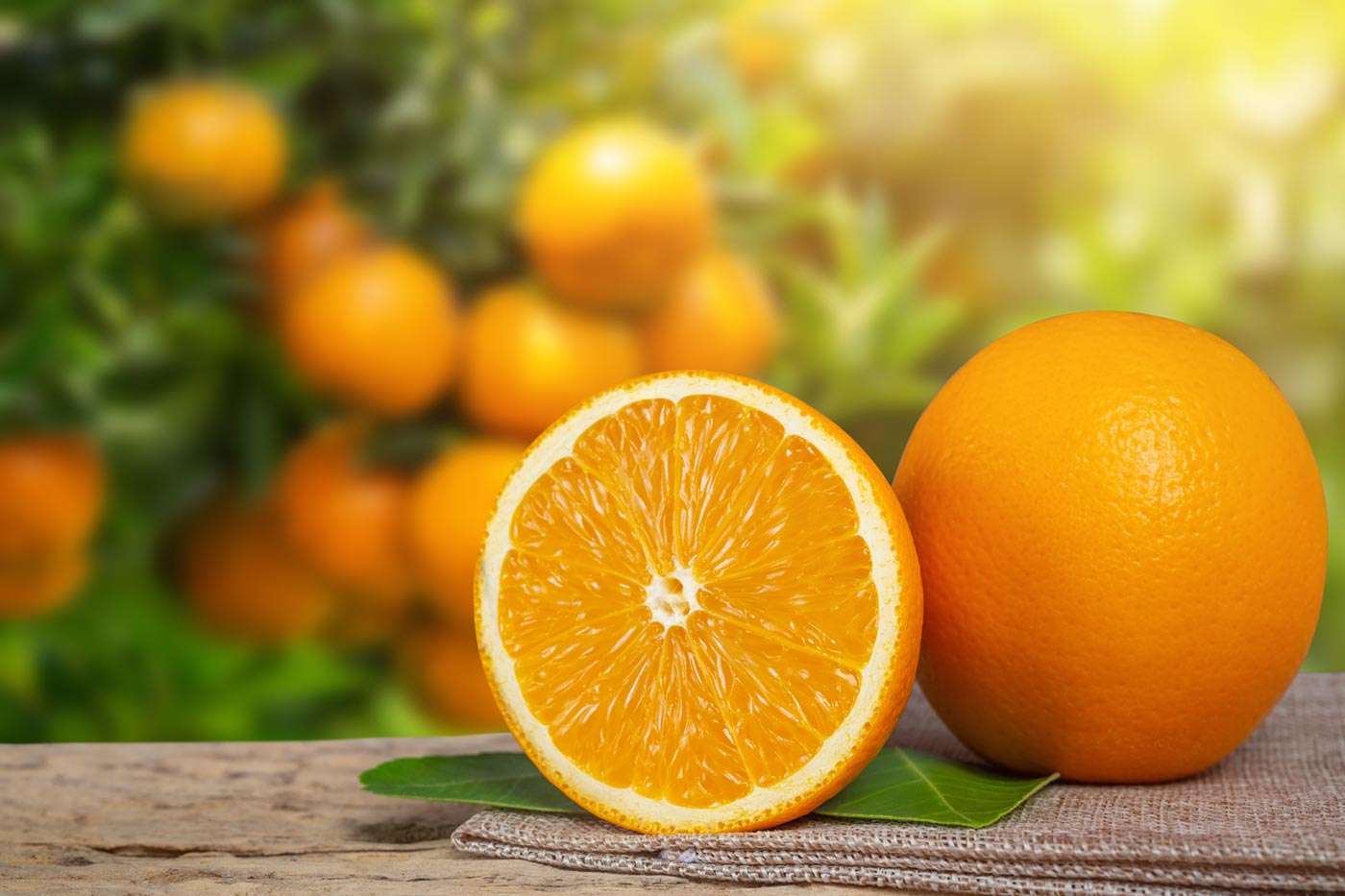
Look at an apple: The crisp, firm outer peel is insoluble fiber; the soft, juicy flesh inside is pectin – a wonderful soluble fiber.
Expert advice: Simply diversifying your daily diet with whole foods like vegetables, fruits, whole grains, and nuts will automatically provide your body with the ideal golden ratio.
A quick word of caution about increasing fiber intake: If you decide to increase your fiber intake, do so gradually over a week or two and drink plenty of water. Insoluble fiber needs water to move, and soluble fiber needs water to form a gel. If you add too much fiber too quickly without drinking enough water, it can cause bloating, gas, and the constipation you're trying to avoid.
IN CONCLUSION:
Ultimately, the journey to proactive health doesn't begin with anything too extraordinary; it starts with how you understand and fill your plate each day. Fiber – while not providing direct energy for muscle activity like other carbohydrates – is a silent "savior" that keeps your entire detoxification and immune systems running smoothly.
Instead of putting pressure on yourself with complex numbers or calculations, just remember the core principle: Diversify your food intake and listen to your body. Start by adding a handful of nuts to your snacks, choose brown rice instead of white rice, or simply eat the peel of a clean apple mindfully. Let these small changes build lasting health.
Compiled and written by Crocus Media.
Products
.jpg)
Chrysanthemum tea
Chrysanthemum tea is a herbal tea with bitter tastes, coolness, heat clearing, helps reduce acne, nourishes the body, cools the liver, detoxifies, curing neurasthenia, support cancer treatment, ... Chrysanthemum tea is made from 100% natural herbs, no preservatives, no flavoring, safe for health.
Chamomile tea
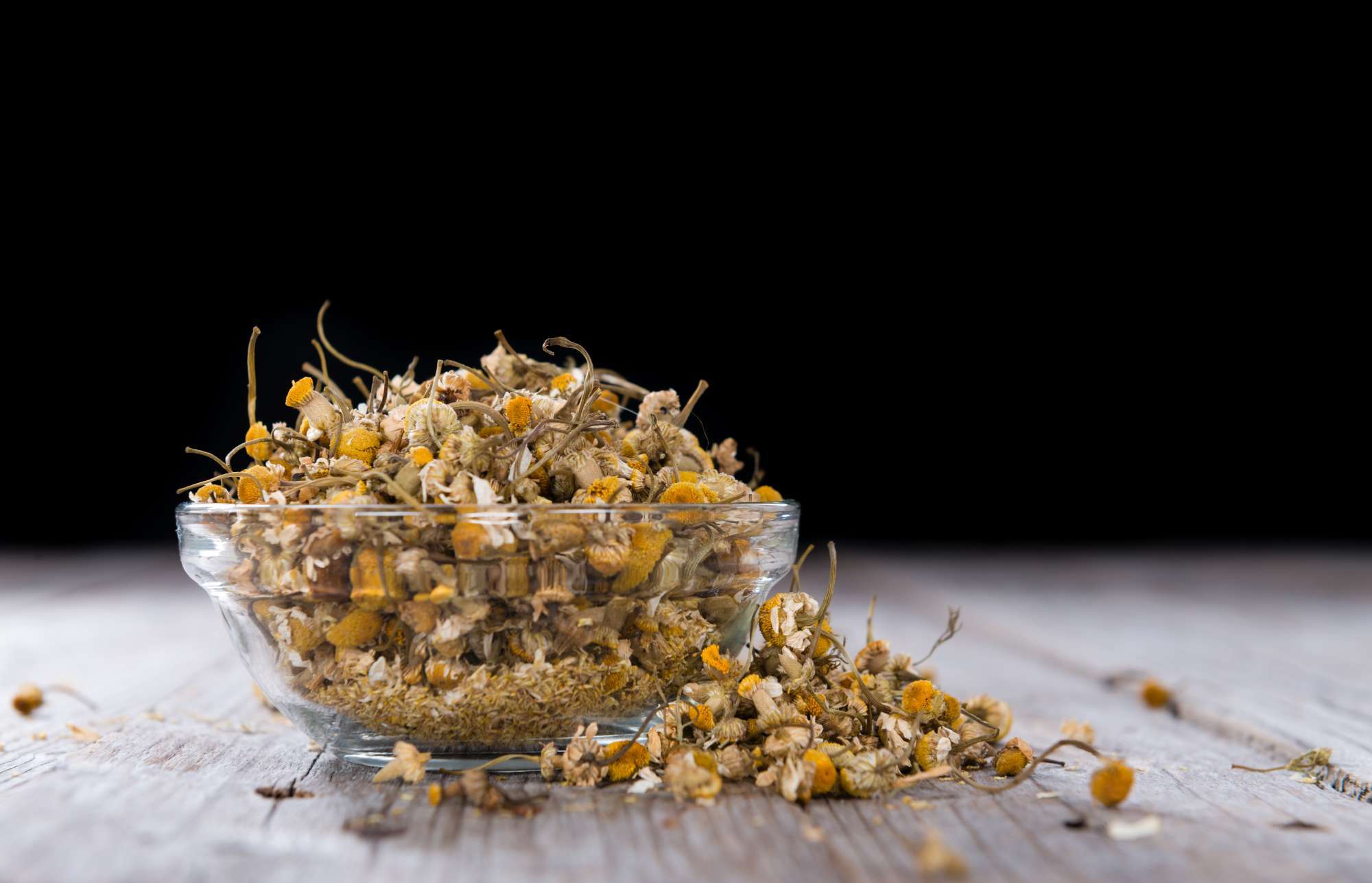
Chamomile tea has a mildly bitter taste and countless valuable health benefits such as Improves heart health, treats insomnia, controls blood sugar, reduces cancer risks, clears heat, detoxifies, lowers blood pressure,... Chamomile tea is made from 100% natural herbs, no preservatives, no flavorings, safe for health.
Related articles
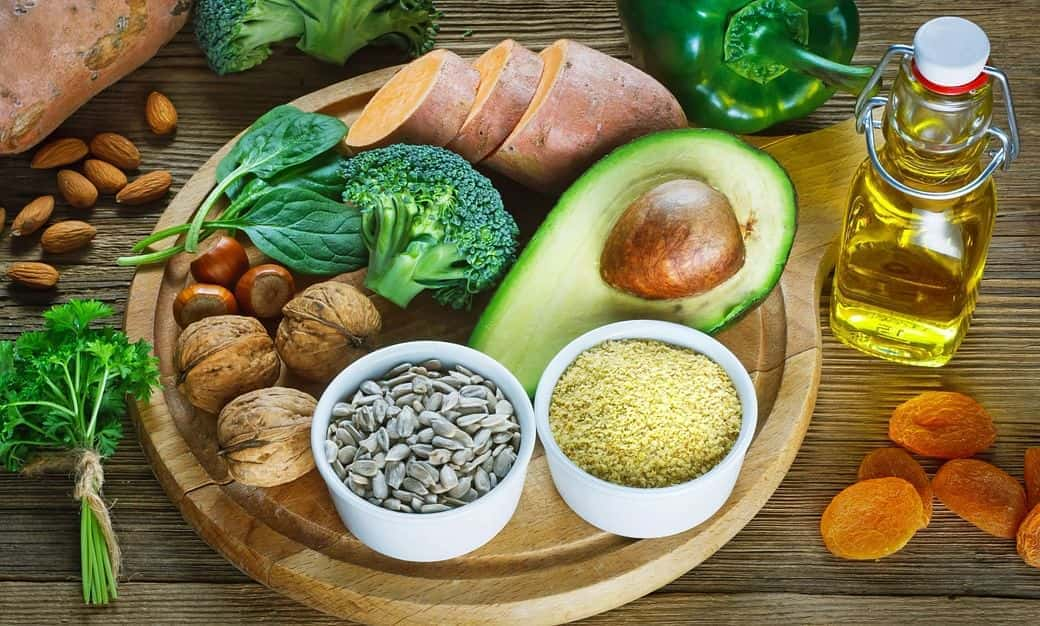
Soluble fiber can reduce cholesterol absorption
Its mechanisms include binding to and removing bile acids, forcing the liver to use blood cholesterol to create new bile acids; slowing down the absorption of cholesterol directly; and producing short-chain fatty acids (SCFAs) that inhibit cholesterol production in the liver.
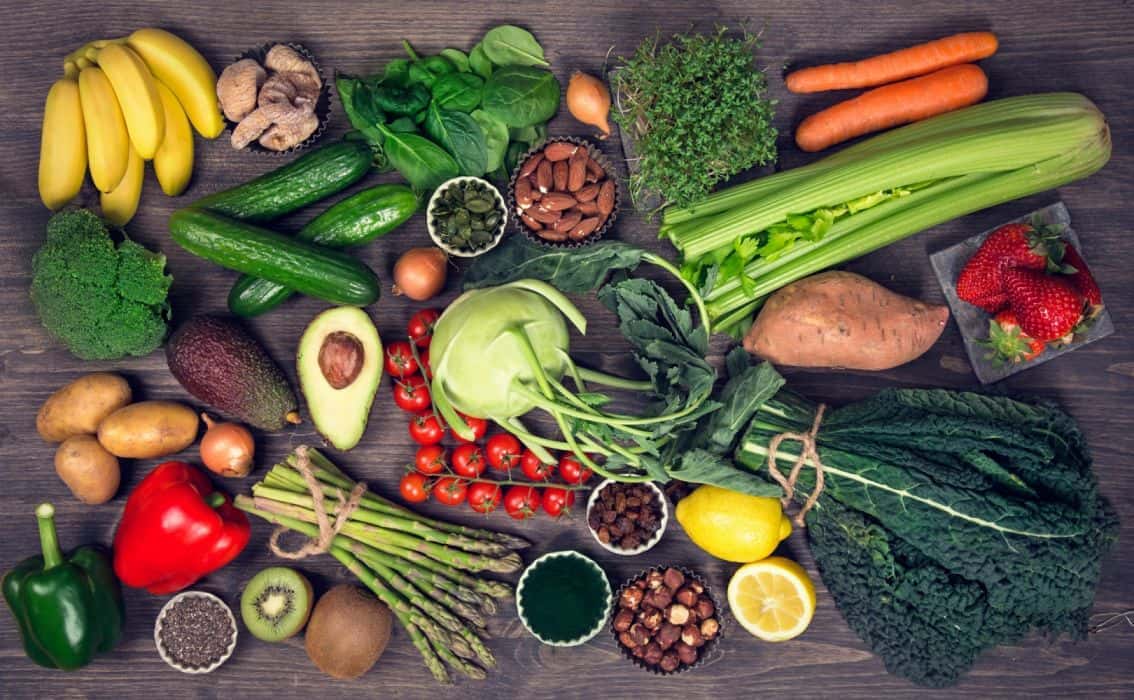
A diet to clean cholesterol, blood clots, and calcium deposits in the blood vessels?
To improve cardiovascular health by controlling cholesterol, preventing blood clots, and reducing calcium deposits in blood vessels. Foods that should be prioritized are foods rich in soluble fiber, unsaturated fats, and antioxidants.