Hyperthyroidism and How to live safely with it
Hyperthyroidism and How to live safely with it
Discover a scientifically sound diet for hyperthyroidism. A comprehensive guide on foods to eat, avoid, and how to safely and effectively adjust your nutrition.
Hyperthyroidism is a condition in which the thyroid gland is overactive, producing excess hormones thyroxine (T4) and triiodothyronine (T3). This increase pushes the metabolic rate too high, leading to rapid weight loss, heart palpitations, heat sensitivity, and decreased bone density.
Alongside medical treatment plans (antithyroid medications, radioactive iodine therapy, or surgery), a personalized nutritional diet plays a foundational role in managing symptoms and preventing dangerous complications.
INDIVIDUALIZATION IN DIETARY MANAGEMENT
There is no single one-size-fits-all menu for every patient. Diets must be flexibly tailored based on 4 factors:
1. Causes of disease:
People with Graves' disease (an autoimmune cause) need to pay more attention to immune-stimulating factors such as gluten. Meanwhile, people with subacute thyroiditis or thyrotoxic nodules have a different response mechanism.
2. Disease stage and metabolic rate:
During acute phases, the body undergoes rapid catabolism and burns energy quickly, requiring significantly higher calories and protein compared to the euthyroid (stabilized) phase.
3. Co-existing health conditions:
Individuals with blood sugar dysregulation, chronic diarrhea, or food allergies require individually calibrated carbohydrate and fiber intakes.
4. Individual tolerance level:
The body's capacity to process caffeine, raw foods, or plant-based milks varies from person to person.
.jpg)
ADJUSTMENTS BASED ON CLINICAL PRESENTATION
1. Rapid weight loss and muscle loss:
Divide into 5 or 6 meals/day; Increase high-quality protein (pork loin, chicken breast, salmon) and healthy fats (avocado, cashews, olive oil).
2. Diarrhea, digestive upset:
Temporarily limit raw vegetables, coarse dietary fiber, and greasy foods. Prioritize soft, thoroughly cooked dishes.
3. Anxiety, severe insomnia:
Strictly eliminate caffeine (coffee, strong tea, energy drinks) and pungent spices in the afternoon and evening.
4. Stable (euthyroid):
Gradually reduce excess caloric intake back to baseline levels to prevent rapid post-recovery weight gain.

FOOD GROUPS TO INCREASE
1. Foods rich in Calcium and Vitamin D:
Hyperthyroidism speeds up bone loss. Supplementing with adequate vitamin D and calcium is very important to maintain strong bones. Note: Although dairy products are rich in calcium, some may contain high amounts of iodine.
Safe food sources: Dark green vegetables (kale, broccoli), almonds, salmon, asparagus.
2. Foods rich in Selenium:
Selenium helps regulate thyroid hormone synthesis and reduces thyroid peroxidase (TPO) antibody levels in people with Graves' disease.
Food sources: Brazil nuts (only 1–2 nuts/day), sunflower seeds, oats, mushrooms, brown rice, tuna, egg whites.
Warning: An overdose of selenium can be toxic. The recommended intake for adults is 55 mcg/day.
3. Foods rich in Zinc:
Zinc maintains energy and supports the immune system, which is affected by metabolic disorders.
Food sources: Pumpkin seeds, cashews, mushrooms, legumes, lean beef and chicken.
4. Foods with anti-inflammatory properties:
An anti-inflammatory diet helps reduce pressure on the immune system and improve overall health.
Food sources: Fresh fruit, whole grains (potatoes, brown rice), fish, lean meats, legumes, olive oil and avocados. Deeply processed foods and added sugars should be avoided.
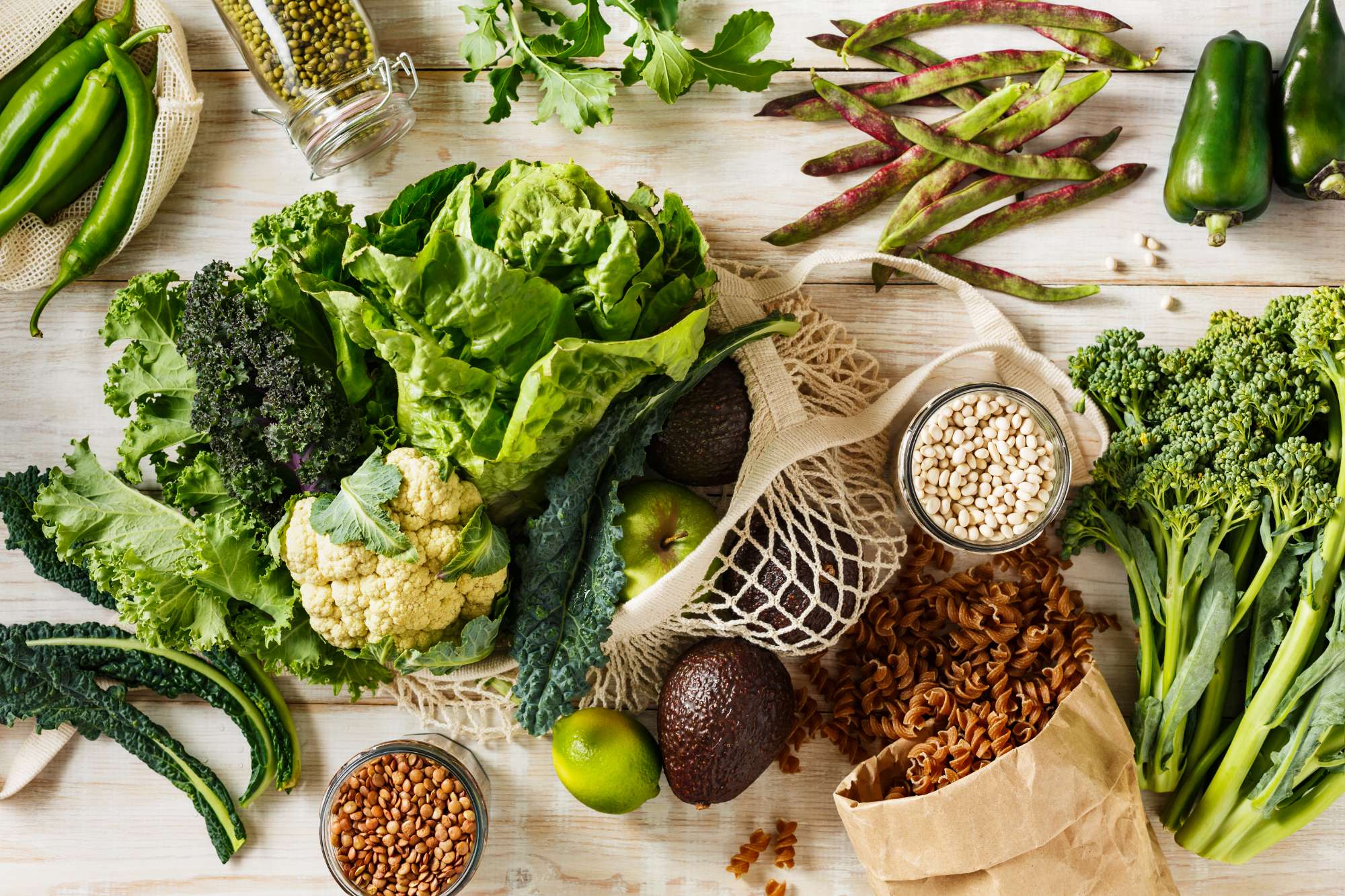
5. Glucosinolates family of vegetables:
The isothiocyanate compounds in this group of vegetables can slightly hinder the absorption of iodine by the thyroid gland (Phytotherapy Research).
Food sources: Cabbage, broccoli, cauliflower, Brussels sprouts (should be eaten fresh or lightly steamed).
FOOD GROUPS THAT NEED RESTRICTIONS
1. Foods rich in Iodine:
Iodine is a raw material for the thyroid gland to synthesize hormones. Excess iodine intake makes hyperthyroidism (especially Graves' disease) more serious. Doctors often recommend reducing the amount of iodine in the daily diet.
To avoid: Seaweed, hard-shelled seafood (shrimp, crab, oysters), egg yolks, table salt with added iodine.
2. Caffeine and stimulants:
Caffeine worsens symptoms of tachycardia, nervousness, anxiety, and insomnia.
To avoid: Coffee, strong tea, energy drinks, dark chocolate.
3. Gluten (need to consider):
Some clinical reports suggest that abstaining from gluten improves symptoms in some Graves' patients (due to the prevalence of Celiac autoimmune disease). If experimenting with a gluten-free diet, carefully check product labels to make sure they don't contain added seaweed extract or iodine.
4. Soybeans:
According to the British Thyroid Foundation (BTF), compounds in soy can interfere with radioactive iodine treatment. Doctors often advise patients to temporarily avoid soy products (soy milk, tofu, protein powder) before and during this treatment period.
EXPERT ADVICE:
Nutrition is a powerful tool for managing symptoms and supporting long-term health, but it cannot replace medical treatment regimens. Please consult an endocrinologist or a nutritionist before making significant changes to your diet.
Compiled and written by Crocus Media.